 listicle
Authentic Bhutan Experiences for Couples: 2026 Guide
Table of Contents
- Why Authentic Bhutan Experiences for Couples Feel Different
- Bhutan Cultural Experiences for Couples That Go Beyond Sightseeing
- Bhutan Monastery Visit Etiquette Every Couple Should Know
- Bhutanese Cooking Class for Couples: A Shared Skill to Take Home
- Building a Bhutan Couple Tour Itinerary That Fits Your Time
- Seasonal Timing, Permits and Costs for Couples
- Conclusion: Choosing an Authentic Bhutan Experience for Couples
- Frequently Asked Questions
Last Updated: October 13, 2026
Why Authentic Bhutan Experiences for Couples Feel Different
Most luxury destinations sell you a view. Bhutan asks you to earn it. That is the first thing couples notice, and it is why so many describe the trip as transformative rather than simply beautiful.
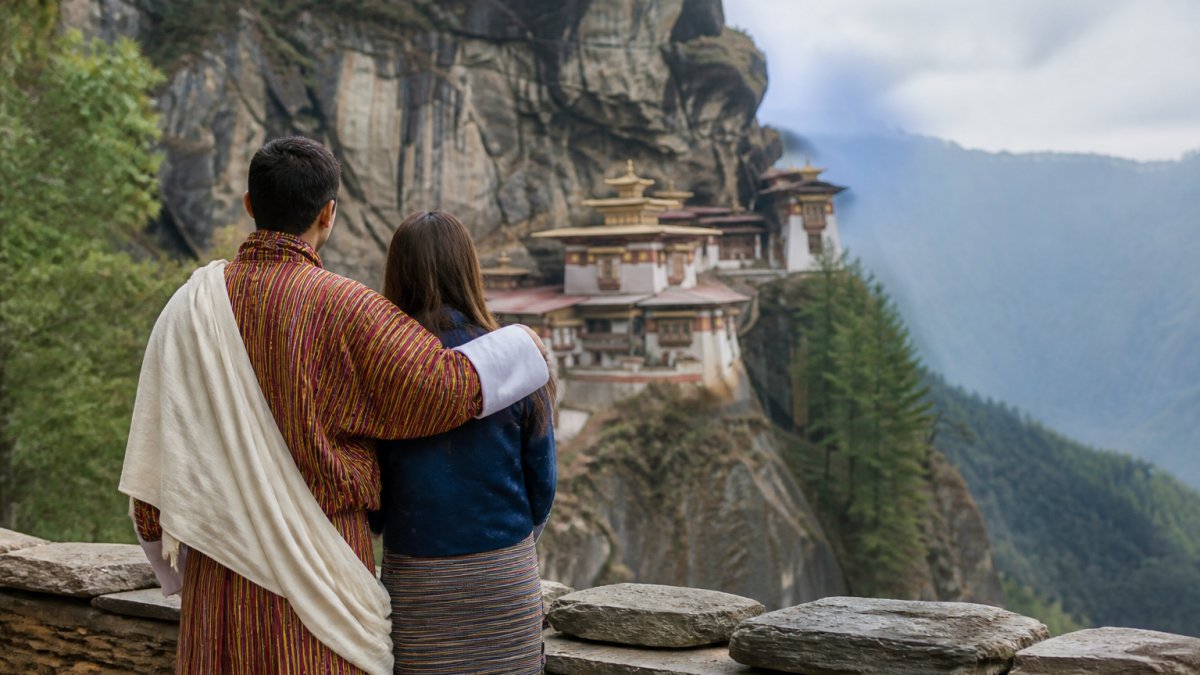
At Iconic Bhutan Travels A Pristine Journey, we plan private journeys for couples who want depth over checklists.
Below, we break down the experiences that genuinely reward two travellers, plus the etiquette, timing, and logistics that most guides skip.
Bhutan Cultural Experiences for Couples That Go Beyond Sightseeing
Sightseeing fills a camera. Cultural immersion changes how a couple travels together. The difference comes down to participation: cooking, bathing, walking, and sitting still in places that were never designed for tourists.
Hot Stone Baths and Wellness Rituals for Two
A traditional hot stone bath is the single most romantic ritual in the country, and it is also the most physical. River stones are heated over fire, then lowered into a wooden tub of water infused with local herbs.
Wellness travel here extends beyond the tub. Bhutan's Gross National Happiness framework explains why the country frames wellbeing as national policy, which is why wellness experiences feel embedded rather than bolted on. Many itineraries pair a bath with a hot spring visit or a quiet morning at a meditation centre.
Private Dinners and Local Festivals
A private dinner in a farmhouse courtyard, lit by butter lamps and served with local red rice and chilli-laced dishes, beats any hotel restaurant. Time your trip around a tsechu festival and you and your partner will watch masked dances alongside local families rather than from a reserved tourist row.
Bhutan Monastery Visit Etiquette Every Couple Should Know
Bhutan monastery visit etiquette is straightforward: dress modestly, remove shoes and hats before entering temple halls, never point your feet at a shrine, and ask before photographing monks or altars. Follow those four rules and you will be welcomed almost anywhere.
A few practical points that matter for couples:
- Wear long trousers or a long skirt, and cover shoulders. A light scarf helps.
- Walk clockwise around stupas and prayer wheels.
- Keep voices low, and do not touch statues or ritual objects.
- Photography is often restricted inside temple halls. Ask your guide first.
Monasteries such as Kyichu Lhakhang in Paro and the great dzongs at Punakha and Trongsa are working religious sites, not attractions. Treating them that way is the difference between a tourist and a guest.
Bhutanese Cooking Class for Couples: A Shared Skill to Take Home
A Bhutanese cooking class for couples is the most practical souvenir you can bring back. You learn to build ema datshi, the national dish of chillies and cheese, along with red rice and momo dumplings, usually in a family kitchen rather than a commercial studio.
The format suits couples because it is hands-on and unhurried. One of you chops, the other stirs, and both of you eat what you made. Most classes run two to three hours and include a market visit to buy vegetables, which is where the real conversation with local hosts happens.
Building a Bhutan Couple Tour Itinerary That Fits Your Time
A well-built Bhutan couple tour itinerary moves west to east and slows down as it goes. The classic corridor runs Paro to Thimphu to Punakha, with extensions into Bumthang, Trongsa, Haa Valley, or Phobjikha Valley for couples with more days.
Distances look short on a map but drive times are long because of mountain roads. As a working rule, allow two to three hours between major towns, and treat the drive itself as part of the experience rather than dead time.
| Trip Length | Route | Overnight Stops | Best For | Pace |
|---|---|---|---|---|
| 5 days | Paro → Thimphu → Punakha → Paro | Paro (2), Thimphu (1), Punakha (1) | Time-poor couples | Moderate |
| 7 days | Adds Phobjikha Valley | Paro (2), Thimphu (1), Punakha (2), Phobjikha (1) | Nature and wildlife | Comfortable |
| 10 days | Adds Trongsa and Bumthang | Paro (2), Thimphu (1), Punakha (2), Trongsa (1), Bumthang (2), Phobjikha (1) | Deep cultural immersion | Relaxed |
Why the Order Matters More Than the Map
Paro sits at roughly 2,200 m and is where most international flights land, so it doubles as your acclimatisation base. Thimphu is slightly higher, Punakha is lower and warmer, and Bumthang sits above 2,500 m.
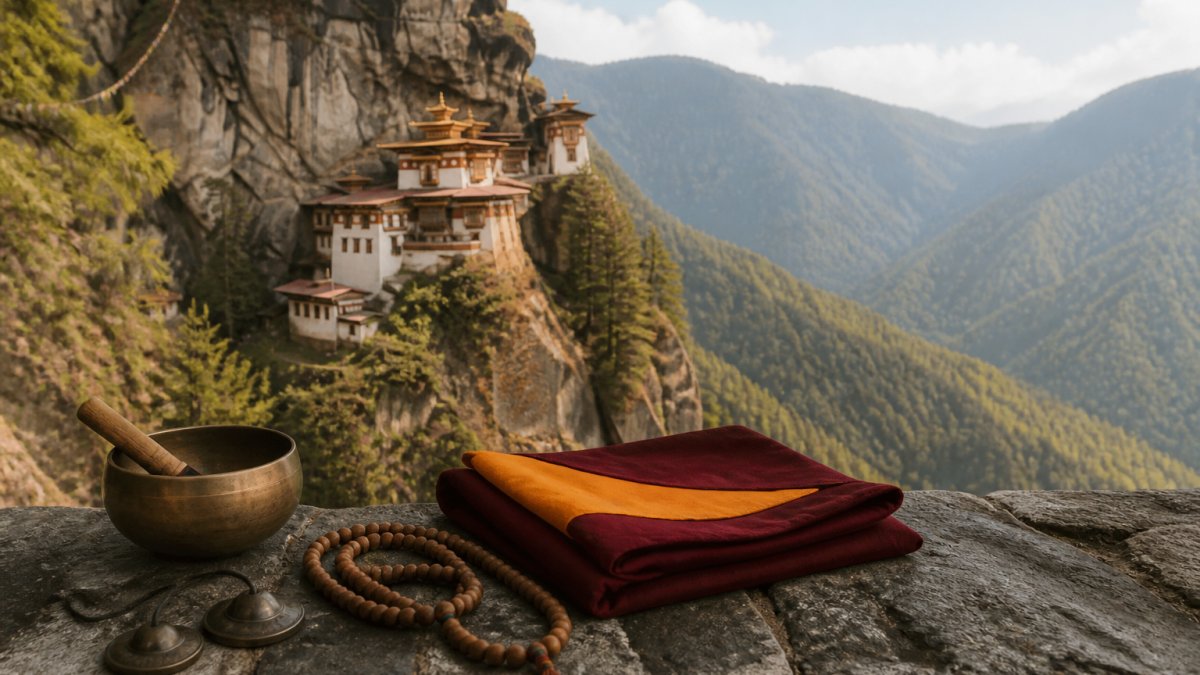
A common pattern is to place Tiger's Nest later in the trip rather than on day two. The hike tops out around 3,100 m, and couples who attempt it within 24 hours of landing often find the final staircase far harder than expected.
Five-Day Highlights for Busy Couples
Five days is enough for a meaningful trip if you accept the trade-off. Fly into Paro, acclimatise with a short walk to Rinpung Dzong and the National Museum of Bhutan, then hike to Tiger's Nest Monastery once you have had a night or two at altitude.
It is brisk, but it works. What you sacrifice is the slower valleys, Phobjikha's cranes, Bumthang's monastery circuit, the Haa Valley's quiet, which is exactly why we usually suggest adding two days if your schedule allows.
Seven and Ten Days: Where the Trip Changes Character
At seven days, adding Phobjikha Valley turns the trip from a highlights run into something with breathing room. The valley is a glacial bowl at around 3,000 m, home to the black-necked crane between late October and February, and the drive in from Wangdue is one of the prettiest in the country.
At ten days, Trongsa and Bumthang open up the centre of the country. Trongsa Dzong is the largest in Bhutan and sits above a deep gorge; Bumthang is the spiritual heartland, with Jambay Lhakhang, Kurjey Lhakhang, and Tamshing among the oldest and most revered sites.
Tiger's Nest is a steep uphill hike at altitude, and the final stretch has many steps. Couples with knee or heart concerns should arrange ponies or plan a shorter viewpoint walk instead of pushing to the top.
Build one unscheduled half-day into any itinerary of seven days or more. Mountain roads occasionally close for weather or roadworks, and the couples who enjoy the trip most are the ones with slack in the plan.
Seasonal Timing, Permits and Costs for Couples
Permits and timing shape every Bhutan trip, so handle both before you book flights. All visitors outside the South Asian region travel on a visa arranged through a licensed local operator, and the Sustainable Development Fee is payable per person per night on top of your package. Rates and inclusions change, so confirm the current figure with your operator or the official tourism authority rather than relying on older numbers.
What the Nightly Levy Actually Covers
The Sustainable Development Fee is the line item couples ask about most, and the honest answer is that it depends on how your operator structures the package. In many quotes the levy sits alongside, not inside, the cost of accommodation, meals, transport, guiding, and permits.
A common pattern is for operators to present a per-person, per-night package rate that already includes the levy, three meals a day, a private guide and driver, and accommodation at a stated hotel standard. Ask explicitly which of those are inside the rate and which are extras.
Ask your operator to confirm what the nightly levy includes. In many packages it covers meals, transport, guiding, and accommodation, which changes how you compare quotes between operators.
Season by Season: What Each Window Gives You
Spring, roughly March to May, brings rhododendrons in bloom, clear mountain views, and the main festival calendar.
Autumn, roughly September to November, is the other peak. Skies are typically clearest, the rice harvest is in, and the festival season continues.
Winter, roughly December to February, is cold in the high valleys but quiet, with excellent light and lower rates at many properties.
The summer monsoon, roughly June to August, brings green valleys, fewer visitors, and the lowest prices, but also leeches on lower trails, unreliable mountain views, and a higher chance of road disruption.
Festival Timing and How Far Ahead to Book
Festival dates follow the Bhutanese lunar calendar, so they shift each year. If a tsechu is the centrepiece of your trip, book six to nine months ahead, and expect accommodation near the festival town to fill first. The same lead time applies to peak-season travel in spring and autumn, when the best-loved lodges in Paro, Punakha, and Bumthang are committed well in advance.
How Costs Scale for Two
Costs vary by hotel standard, group size, season, and how much private guiding you want.
Pricing depends on itinerary length and inclusions, so we quote each journey individually rather than publish a flat rate. When you request a quote, ask for the levy, meals, guiding, transport, and accommodation to be broken out separately, that is the only way to compare two itineraries honestly.
Conclusion: Choosing an Authentic Bhutan Experience for Couples
The hardest part of planning a Bhutan trip is deciding what to leave out. Five days gives you Tiger's Nest and Punakha. Ten days gives you Bumthang's monasteries, Phobjikha's cranes, and evenings with nothing scheduled but each other.
That is where we come in. Iconic Bhutan Travels A Pristine Journey builds private, tailor-made journeys with expert local guiding, carefully chosen accommodation, and immersive cultural experiences designed for two. We handle the permits, the levy, the driving, and the details, so you can focus on the moments that matter.
Frequently Asked Questions
What should couples know before visiting Bhutan?
Couples need a visa arranged through a licensed tour operator and must pay the Sustainable Development Fee (SDF), which supports free healthcare and education. Independent travel isn't allowed, so booking through an operator like Iconic Bhutan Travels handles permits, SDF and logistics. Pack layers for variable mountain weather, bring modest clothing for monasteries, and carry cash for small purchases. The SDF and operator costs mean budgeting carefully, but the immersive cultural access makes it worthwhile for couples seeking authentic Bhutan experiences.
How can couples experience Bhutanese culture respectfully?
Respect starts with learning local customs. Remove shoes before entering temples, don't point feet at statues or monks, and ask before photographing people or religious ceremonies. Dress modestly in monasteries, covering shoulders and knees. When visiting a Bhutanese cooking class for couples, participate fully but follow your host's lead. For monastery visits, walk clockwise around stupas, avoid loud conversations, and never touch sacred objects. These small actions show respect and often lead to warmer, more genuine interactions with local communities.
Can couples visit Bhutanese monasteries together?
Yes, couples can visit monasteries together, and many dzongs and temples welcome visitors. Some inner shrines restrict entry to certain areas, but couples can explore courtyards and main halls. At Tiger's Nest Monastery, couples hike together and enter the main temple. Always follow Bhutan monastery visit etiquette: dress modestly, remove shoes, and don't disturb worshippers. Private guided tours can arrange blessings or quiet moments for couples, adding a spiritual dimension to your shared journey.
What are some adventurous activities for couples in Bhutan?
Couples can hike to Tiger's Nest, cycle through Paro Valley, raft the Mo Chhu River, or camp along the Trans Bhutan Trail. For gentler adventure, try a day hike to Khamsum Yulley Namgyal Chorten or a picnic at Dochula Pass. Wildlife safaris in Royal Manas National Park offer a wilder side. Many operators tailor adventure levels, so whether you want a challenging trek or a scenic walk, you can find a Bhutan couple tour itinerary that fits.
How many days should couples spend in Bhutan?
Five to seven days covers Paro, Thimphu and Punakha at a comfortable pace, including Tiger's Nest and a hot stone bath. Ten to fourteen days allows deeper exploration of Bumthang, Phobjikha Valley and Haa Valley, plus a cooking class and festival. If you want a Bhutan couple tour itinerary that balances culture, nature and rest, aim for at least seven days. Shorter trips are possible but involve more driving and less spontaneity.