 how-to
Avoiding Generic Bhutan Tour Itineraries: A 2026 Guide
Table of Contents
- Why Generic Bhutan Itineraries Miss the Mark
- Understanding Bhutan's Mandatory Guide and SDF Requirements
- Customising Bhutan Travel Itineraries for Authentic Experiences
- Off the Beaten Path Bhutan Experiences Worth Pursuing
- Vetting Tour Operators: What to Ask Before Booking
- MyBhutan vs Breathe Bhutan Reviews: What Discerning Travellers Need to Know
- Building Your Ideal Trip Duration and Activity-Based Itinerary
- Conclusion: Crafting Your Authentic Bhutan Journey
- Frequently Asked Questions
Last Updated: September 21, 2026
Why Generic Bhutan Itineraries Miss the Mark
Most travellers to Bhutan end up seeing the same three temples, eating at the same restaurants, and leaving with the same photos as everyone else. The problem isn't the destination, it's how tours are typically designed. Generic itineraries follow a formula: Tiger's Nest on day one, Punakha Dzong on day two, a cooking class somewhere in between. They're safe, predictable, and forgettable.
Avoiding generic Bhutan tour itineraries requires understanding what makes an experience authentic versus what makes it merely conventional. At Iconic Bhutan Travels A Pristine Journey, we work with discerning travellers who want something different. What they discovered is that the real Bhutan exists in the details, in conversations with local artisans, in hiking routes few tourists know about, in staying longer in one valley instead of rushing through five.
The difference between a generic tour and a customised journey comes down to three things: who designs your itinerary, how much time you spend in each place, and whether your activities match what actually interests you. A guide who knows you want spiritual immersion will design a completely different trip than one who assumes you want to tick boxes.
Understanding Bhutan's Mandatory Guide and SDF Requirements
Every visitor to Bhutan must book through a licensed tour operator and travel with a mandatory guide. This isn't a suggestion, it's the law. The Sustainable Development Fee (SDF) is also mandatory, and these two requirements shape everything about how your trip works.
The mandatory guide requirement exists to protect Bhutan's culture and environment. Your guide isn't just someone who points at landmarks. A skilled guide becomes your cultural translator, connecting you to local stories, introducing you to people you'd never meet independently, and helping you understand context that transforms a sightseeing trip into genuine cultural immersion.
The SDF is a daily fee that funds conservation and development projects. Understanding this system matters because it affects your budget and because transparency about costs separates serious operators from those who hide fees until the final invoice.
When vetting tour operators, ask directly: How is the SDF calculated? Is it included in quoted prices or added separately? What does the operator include in their base package, and what costs extra? Operators who answer clearly and upfront tend to deliver clearer itineraries too.
Customising Bhutan Travel Itineraries for Authentic Experiences
Customising your itinerary starts with being honest about what you actually want to do. Not what you think you should want. Not what travel magazines say you should see. What genuinely interests you.
Do you want to hike? How many hours per day? Do you want to meet local craftspeople? Which crafts? Are you interested in Buddhist philosophy, or does spirituality mean something different to you? Do you prefer small group experiences or complete privacy? The more specific you are, the better your operator can design something that fits.
Activity-based itinerary building works better than location-based planning. Instead of "visit Thimphu, then Paro, then Punakha," think "I want to learn traditional weaving, hike to a remote monastery, and spend time in a farmhouse." Your operator then designs a route that serves those activities rather than fitting activities into a predetermined route.
Many travellers underestimate how much time to spend in each place. Five days in Bhutan is enough for an introduction. Seven to ten days allows genuine cultural immersion. Two weeks lets you move slowly, build relationships, and stumble into unexpected experiences. Rushing creates the generic experience, you see things without understanding them.
Direct communication with your tour operator about what you want to avoid is equally important. Tell them: I don't want to visit shops that cater purely to tourists. I don't want a packed schedule with no downtime. I don't want to eat only at hotel restaurants. I don't want to see Tiger's Nest if it means joining a crowd of 200 people. Good operators will respect these boundaries and design around them.
Off the Beaten Path Bhutan Experiences Worth Pursuing
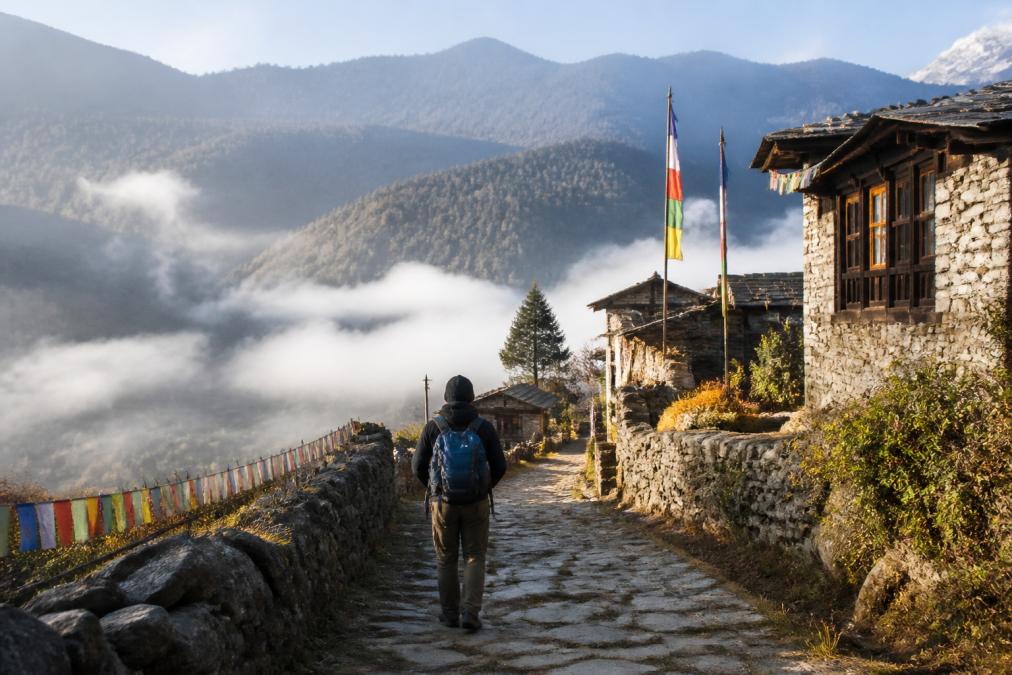
Off-the-beaten-path experiences in Bhutan exist, but they require intentional planning. Many are accessible only through operators who know local communities and have relationships with village guides.
Consider staying in a traditional farmhouse rather than a hotel. You'll eat with the family, learn how they live, and wake to the actual rhythm of rural Bhutan. These homestays aren't luxury accommodations, they're real homes with real people. The experience is intimate in ways hotels can't replicate.
Hiking routes beyond Tiger's Nest offer solitude and perspective. The Druk Path Trek connects valleys over several days. The Bumdrak Monastery hike reaches a cliffside temple few tourists attempt. Jigme Dorji National Park has trails through pristine forest where you're more likely to see wildlife than people.
Attending local festivals or community events transforms your understanding of Bhutanese culture.
Vetting Tour Operators: What to Ask Before Booking
Your tour operator makes or breaks your experience. The wrong operator will deliver a generic itinerary regardless of your preferences. The right one designs something truly customised.
Ask these specific questions before booking:
- How do you approach customisation? Do you have templates you modify, or do you build itineraries from scratch based on client interests?
- Can you connect me with recent clients who had similar interests to mine? (Reputable operators will provide references.)
- How much time do your guides spend in each location? (Operators who rush through locations tend to deliver surface-level experiences.)
- What's your relationship with local communities? Do you work with the same guides and homestay families long-term, or do you rotate? (Long-term relationships signal genuine local connections.)
- How do you handle the mandatory guide requirement? Are your guides trained specifically in cultural interpretation, or are they primarily logistics coordinators?
- If I want to skip a major site like Tiger's Nest, will you design an alternative that's equally meaningful?
- What happens if I want to extend my stay in one place and shorten it elsewhere mid-trip? (Flexibility reveals whether your operator is organised around your experience or around their standard packages.)
MyBhutan vs Breathe Bhutan Reviews: What Discerning Travellers Need to Know
When evaluating tour operators, you'll encounter various names. Two frequently discussed are MyBhutan and Breathe Bhutan. Understanding what distinguishes different operators helps you choose one aligned with your priorities.
Building Your Ideal Trip Duration and Activity-Based Itinerary
Trip duration determines what's possible. Five days allows an introduction. Seven to ten days enables genuine immersion. Two weeks permits slow travel and unexpected discoveries.
Consider this framework:
| Duration | Recommended Focus | Realistic Depth |
|---|---|---|
| 5 days | One region, one primary activity | Introduction only |
| 7-10 days | Two regions, 2-3 activities | Genuine immersion possible |
| 14+ days | Multiple regions, mixed activities | Deep relationships, spontaneity |
Conclusion: Crafting Your Authentic Bhutan Journey
Avoiding generic Bhutan tour itineraries comes down to clarity, intentionality, and choosing an operator who understands the difference between managing a booking and designing an experience.
Frequently Asked Questions
How do I ensure my Bhutan itinerary is unique and not generic?
Start by communicating specific interests to your tour operator before any itinerary is drafted, whether that's Buddhist philosophy, textile traditions, or birdwatching. Request activities outside peak hours at famous sites like Tiger's Nest, and ask for access to smaller monasteries and village homestays. A quality operator will customize your route based on seasonal access, your fitness level, and genuine cultural curiosities rather than defaulting to the standard three-day circuit. Direct communication with your operator about avoiding generic group experiences is the single most effective filter.
What are the benefits of a private, custom-tailored Bhutan tour versus a group itinerary?
Private tours allow you to set your own pace, spend extra time in locations that genuinely interest you, and access experiences that group schedules cannot accommodate, such as early-morning village walks or extended conversations with local artisans. You avoid the logistical constraints of coordinating multiple travellers and can pivot your itinerary if weather or personal preference shifts. A tailored approach also means your mandatory guide can be selected for expertise in your specific interests, making the cultural immersion far deeper than a generalist guide leading rotating groups.
Can I visit Bhutan without a tour operator, or do I need to book through one?
Bhutan requires all foreign visitors to book accommodation and transport through a licensed tour operator, this is a government mandate, not optional. However, you retain significant control over your itinerary within this requirement. You can request a private guide and customized daily activities rather than accepting a pre-packaged group tour. The mandatory operator framework ensures quality standards and sustainable tourism, but does not force you into a generic experience if you communicate your preferences clearly upfront.
What is the Sustainable Development Fee (SDF) and how does it affect my overall trip cost?
The SDF is a daily levy paid to the government to support Bhutan's conservation and tourism sustainability goals. It applies to all foreign visitors and is typically included in your tour operator's quoted daily rate. This fee is mandatory and non-negotiable, but understanding it upfront helps you budget accurately. When comparing operators, ensure the SDF is clearly itemized in quotes so you can compare true all-in costs. The fee supports Bhutan's high-value, low-volume tourism model, which is precisely what preserves the authentic experiences you're seeking.