 listicle
High-End Tour Operators: A Luxury Bhutan Guide
Table of Contents
- What Makes a High-End Tour Operator in Bhutan
- Comparison of Leading High-End Tour Operators
- Crafting a Luxury Bhutan Travel Itinerary
- Best Time to Visit Bhutan for Luxury Travel
- Are Boutique Hotels in Bhutan Covered by Travel Insurance
- The Sustainable Development Fee and Hidden Costs
- Selecting the Right Operator for Your Needs
- Frequently Asked Questions
Last Updated: September 18, 2026
What Makes a High-End Tour Operator in Bhutan
High end tour operators in Bhutan combine three essential elements: deep local knowledge, exclusive access to experiences, and meticulous attention to personalisation. Unlike generic travel agencies, these specialists understand the nuances of the Himalayan kingdom, its cultural protocols, seasonal rhythms, and the regulatory landscape that shapes every journey.
Bhutan's tourism model is fundamentally different from most destinations. The government mandates that all international visitors book through licensed operators and pay the Sustainable Development Fee (SDF). This isn't a barrier; it's actually what makes luxury operators essential. The best ones navigate these requirements seamlessly while creating experiences that feel effortless to you.
What separates a truly high-end operator from a standard one comes down to relationships and expertise. They've spent years building connections with monasteries, local guides, and boutique lodges. They understand which villages offer authentic cultural immersion without feeling touristic. They know which trekking routes reward early risers and which festivals align with your travel dates.
At Iconic Bhutan Travels A Pristine Journey, we help customers get an indepth comprehensive knowledge of Bhutan. Things to do. And the immersive experiences. Authentic Bhutan is delivered with elegance and luxury. We handle the regulatory complexity so you don't have to, the SDF, visa processing, private transport logistics. What you experience is simply a journey that feels tailored to who you are.
The distinction matters most when things go sideways. Weather delays a trek. A festival shifts dates. A guide falls ill. Premium operators have the relationships and flexibility to pivot without compromising your experience. Budget operators often leave you stranded.
Comparison of Leading High-End Tour Operators
International Luxury Specialists
Druk Asia positions itself as the gateway to international luxury brands in Bhutan. Their partnerships with Amankora, COMO Uma, and Six Senses mean you're staying in globally recognised properties with consistent service standards.
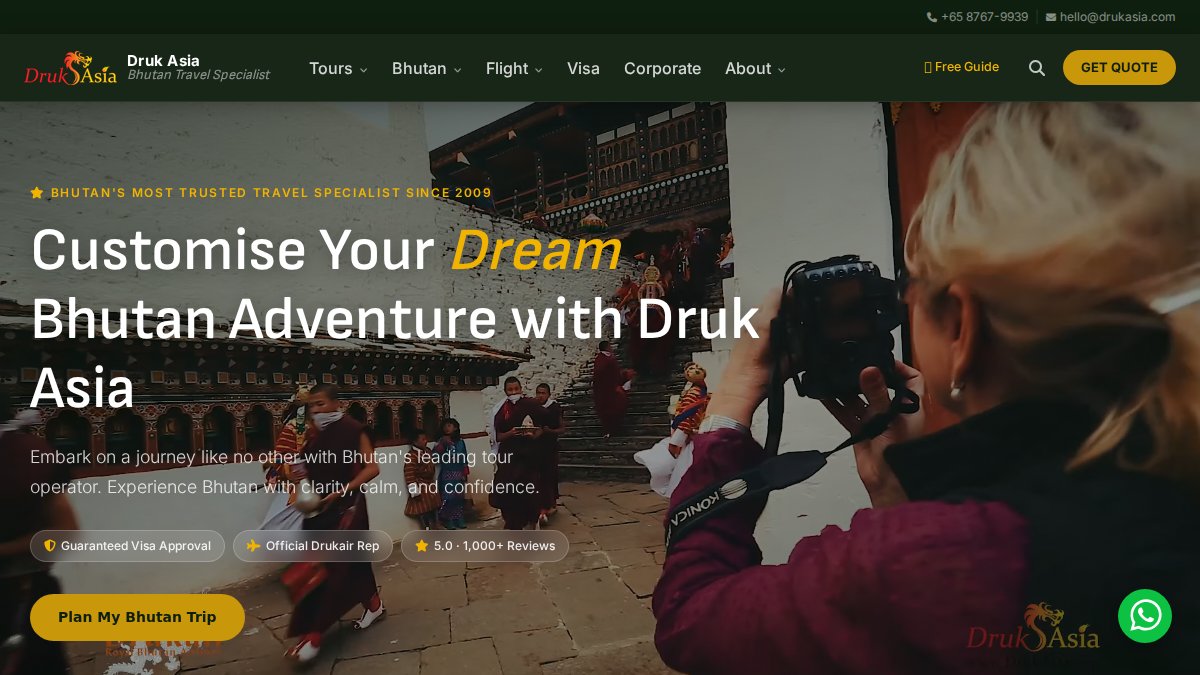
What works: If you want the reassurance of a five-star international brand, Druk Asia delivers. Their itineraries are fully customisable, and private guides and drivers come standard. The operator understands what affluent international travellers expect.
Where it falls short: Their focus on established luxury resorts means less flexibility for boutique or locally-owned properties. You're essentially paying for their relationships with specific hotel chains rather than access to Bhutan's full spectrum of accommodation.
Jacada Travel takes a different approach, they're award-winning specialists in tailor-made private journeys across Asia, with Bhutan as a core offering.
Their strength lies in bespoke itinerary design. You work with a dedicated travel design team who understand not just what to see, but how to sequence experiences for maximum impact. This is the operator for discerning travellers who've done luxury travel elsewhere and expect something genuinely different.
The tradeoff: Jacada requires direct consultation for pricing, and their custom approach means longer planning timelines. This isn't the operator for spontaneous bookings.
Unforgettable Travel offers structured, multi-night luxury itineraries with transparent pricing, their 12-night journeys start at £7,790 per person. This appeals to travellers who want curated excellence without the complexity of fully bespoke design.
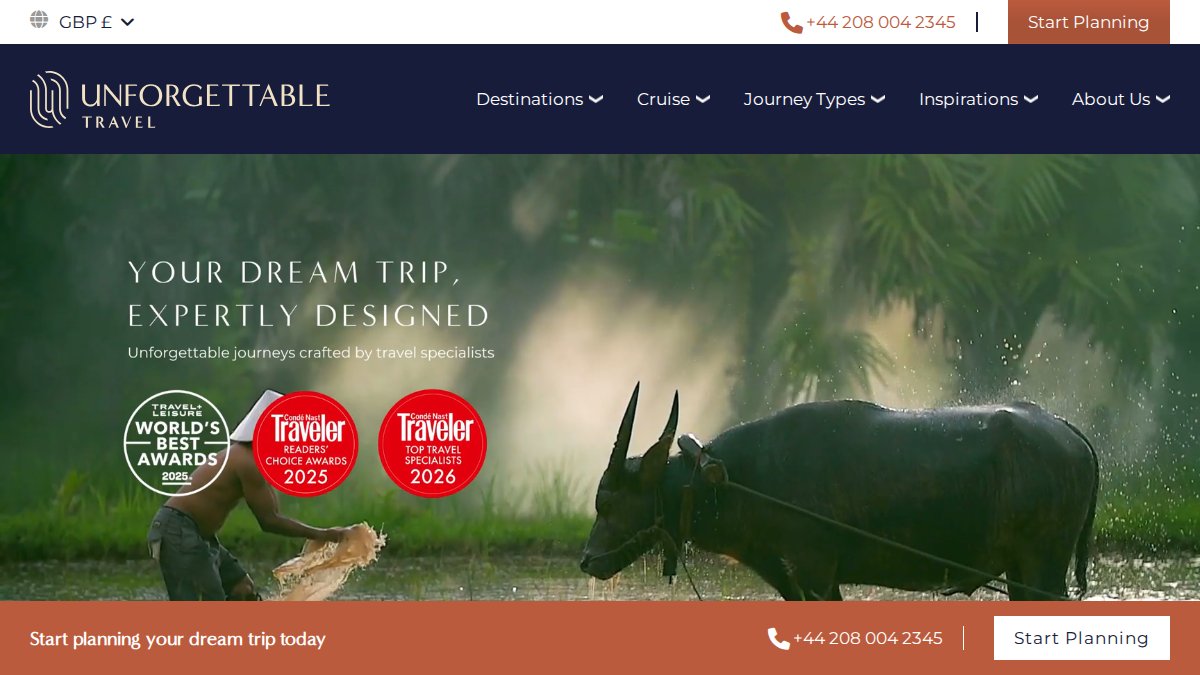
Their packages bundle high-end accommodation, private guides, and cultural experiences into a coherent narrative. For busy professionals with limited time, this removes decision fatigue. The itineraries are thoughtfully designed rather than generic.
The limitation: Structured packages mean less flexibility than fully customised journeys. If the itinerary doesn't align perfectly with your interests, you're adapting to their vision rather than them adapting to yours.
Local Certified Operators
Bhutan Inbound represents the local operator advantage. As a licensed entity certified by the Tourism Council of Bhutan, they offer direct booking services without the international agency markup.
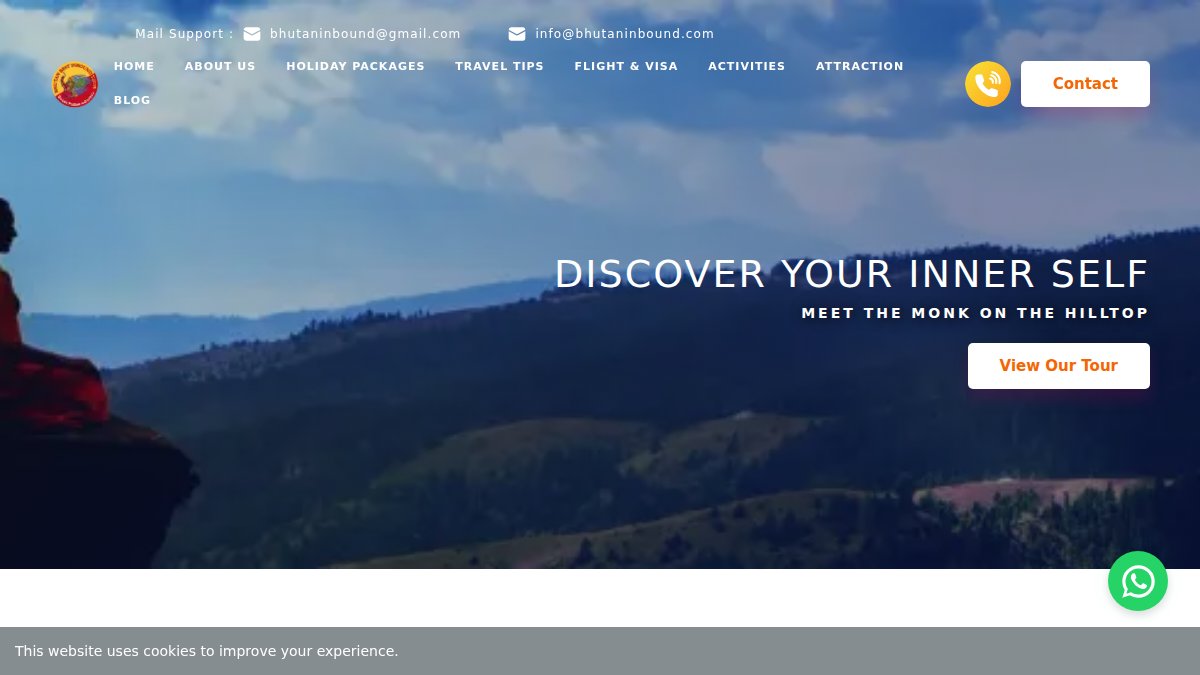
The appeal is straightforward: local pricing and direct accountability. They understand Bhutanese culture from lived experience, not training. Their guides are locals with deep community connections.
The reality check: They lack the global concierge network of international agencies. If you need 24/7 support across time zones or have complex logistics (coordinating with other destinations, managing group dynamics), you're more self-reliant.
Aggregator Platforms
TourRadar and TravelStride function as marketplaces rather than operators. TourRadar aggregates luxury packages from various operators with pricing starting around £4,500 (converted from USD), while TravelStride focuses on operator rankings and reviews.
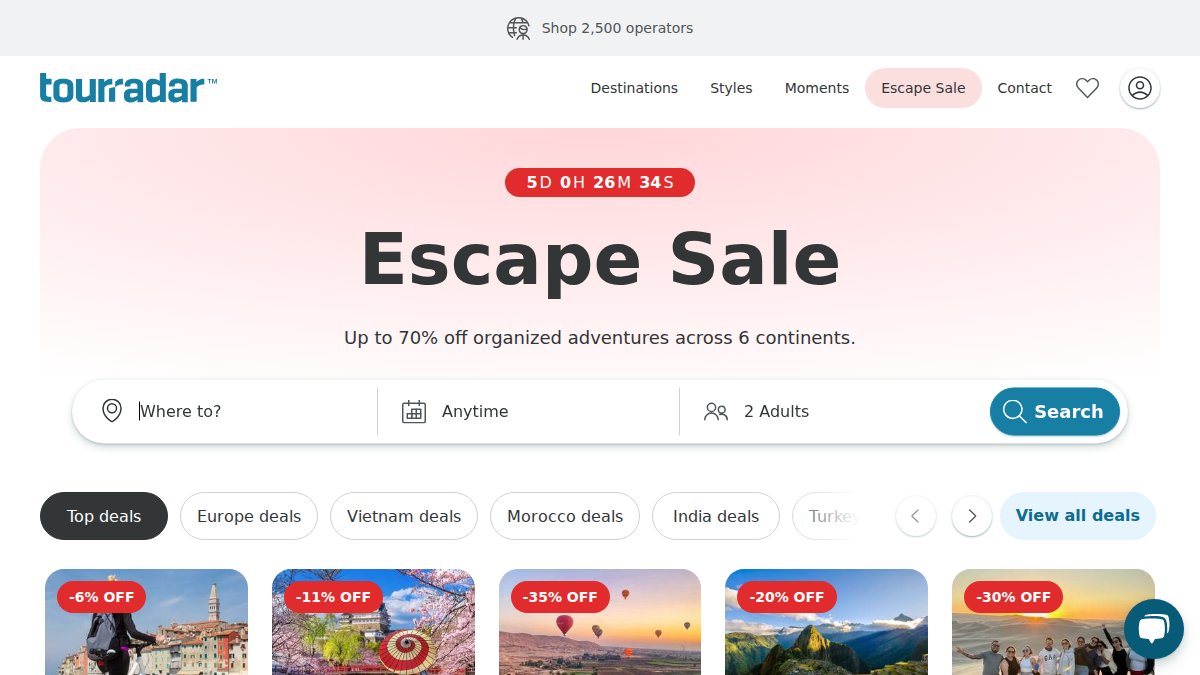
These platforms excel at comparison shopping. You see multiple options side-by-side, read verified traveller reviews, and compare price points across durations. This works well if you're in research mode and want transparency.
The catch: Aggregators don't provide bespoke design. You're choosing from existing packages rather than creating something new. For luxury travel, this often feels constraining.
| Operator Type | Best For | Strength | Limitation |
|---|---|---|---|
| International Specialists (Druk Asia, Jacada) | Recognised luxury brands or fully bespoke design | Global service standards; expert curation | Higher cost; less local flexibility |
| Local Certified (Bhutan Inbound) | Direct booking; cost efficiency | Authentic local expertise; lower markup | Limited international support |
| Structured Packages (Unforgettable Travel) | Busy professionals; curated excellence | Transparent pricing; thoughtful design | Less customisation flexibility |
| Aggregator Platforms (TourRadar, TravelStride) | Comparison shopping; research phase | Multiple options; verified reviews | No bespoke design; limited support |
Crafting a Luxury Bhutan Travel Itinerary
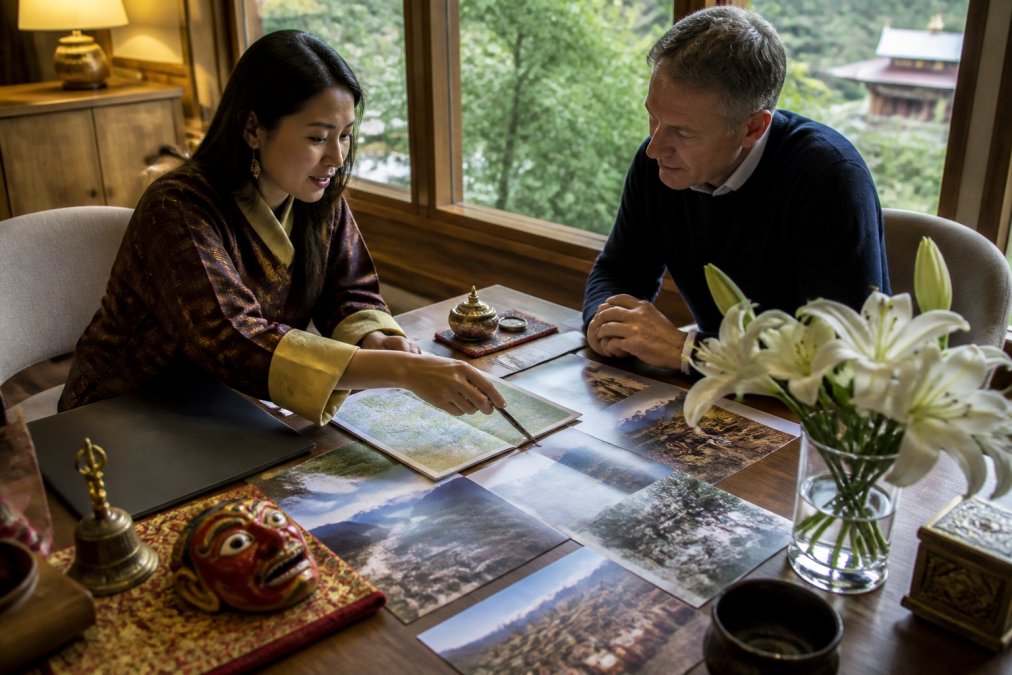
The foundation of any exceptional Bhutan journey is an itinerary that balances structure with spontaneity. Unlike destinations where you can improvise, Bhutan's regulated tourism model requires advance planning. The best operators use this constraint as an advantage, they design sequences of experiences that build on each other.
A strong itinerary typically spans 7-10 days for first-time visitors.
Cultural immersion requires advance relationships. Your operator should arrange private monastery visits outside tourist hours, meals with local families, and access to artisans in their workshops. These experiences can't be booked on arrival, they require weeks of coordination.
Best Time to Visit Bhutan for Luxury Travel
The ideal seasons are March to May (spring) and September to November (autumn). Both offer clear skies, moderate temperatures, and the best visibility for mountain vistas.
Are Boutique Hotels in Bhutan Covered by Travel Insurance
Ask your operator which insurance they recommend. The best ones have relationships with insurers experienced in Bhutan travel and can advise on gaps in standard policies.
The Sustainable Development Fee and Hidden Costs
Bhutan's Sustainable Development Fee (SDF) is mandatory for all international visitors and sits at approximately £20 per person per night. For a 10-day trip, expect £200 in SDF fees alone. This isn't hidden, it's a transparent government charge that supports conservation and limits tourism impact.
- SDF (mandatory, government-set)
- Accommodation (varies dramatically by property)
- Meals (usually included with accommodation)
- Private guide and driver (daily rate)
- Internal transport (vehicle hire)
- Entrance fees and permits (monasteries, treks)
- Visa processing (if applicable)
Selecting the Right Operator for Your Needs
Choosing among high end tour operators comes down to five criteria: customisation flexibility, local expertise, international support, pricing transparency, and how they handle disruptions.
Frequently Asked Questions
What should I look for in a high-end tour operator in Bhutan?
The best high-end tour operators offer tailor-made itineraries rather than fixed group tours, provide private guides and drivers, hold Tourism Council of Bhutan certification, and demonstrate expertise in cultural immersion experiences. Look for operators with transparent pricing that includes the mandatory Sustainable Development Fee, strong relationships with boutique luxury lodges, and the ability to customise your journey to your specific interests, whether that's monastery trekking, spiritual retreats, or exclusive access to festivals and cultural events.
Are boutique hotels in Bhutan covered by travel insurance?
Most standard travel insurance policies cover boutique and luxury hotels in Bhutan, but coverage depends on your specific policy and insurer. Verify that your policy includes accommodation at your chosen lodge before booking, as some insurers may have exclusions for remote properties or require declaration of high-value stays. When booking through a high-end operator, ask whether they recommend specific insurers familiar with luxury Bhutan accommodation or whether they provide travel insurance as part of your package.
What is included in the cost of a luxury Bhutan tour package?
Luxury tour packages typically include private transport, expert guides, accommodation at boutique or high-end lodges, most meals, and curated cultural experiences. The mandatory Sustainable Development Fee (a daily charge set by the Bhutanese government) is almost always separate and required for all foreign visitors. Pricing varies significantly based on season, lodge tier, itinerary length, and customisation level. Contact your chosen operator directly for a detailed cost breakdown and to understand what is and is not included in their quoted price.
What is the best time to visit Bhutan for luxury travel?
Spring (March to May) and autumn (September to November) are considered ideal for luxury travel to Bhutan, offering clear skies, comfortable temperatures, and stunning mountain vistas. Spring brings blooming rhododendrons and lower altitude hikes are accessible, while autumn provides crisp visibility and fewer crowds. Winter (December to February) appeals to those seeking solitude and lower costs, though some high-altitude treks become challenging. Avoid the monsoon season (June to August) unless your itinerary focuses on lower valleys and cultural experiences rather than mountain trekking.
How do luxury operators differ from standard Bhutan tour companies?
High-end operators distinguish themselves through bespoke itinerary design tailored to your interests, exclusive access to monasteries and festivals, stays at premium boutique lodges rather than standard hotels, private guides with deep cultural knowledge, and personalised concierge-level service. They focus on immersive experiences rather than ticking off standard tourist sites, often offer smaller group sizes or fully private tours, and provide transparent communication throughout the planning and travel process. Many hold special relationships with luxury accommodation providers and have expertise in crafting meaningful cultural encounters.