 listicle
Is Bhutan Luxury Travel Worth It? A 2026 Review
Table of Contents
- The 2026 Verdict: Is Bhutan Luxury Travel Worth It?
- Bhutan Sustainable Development Fee Explained
- What to Expect from Luxury Lodges in Bhutan
- Are Boutique Hotels in Bhutan Covered by Travel Insurance?
- Luxury vs Standard: What the Premium Actually Buys
- Accessibility and Physical Requirements for Luxury Travellers
- Final Verdict: Who Should Book a Bhutan Luxury Trip?
- Frequently Asked Questions
Last Updated: September 28, 2026
The 2026 Verdict: Is Bhutan Luxury Travel Worth It?
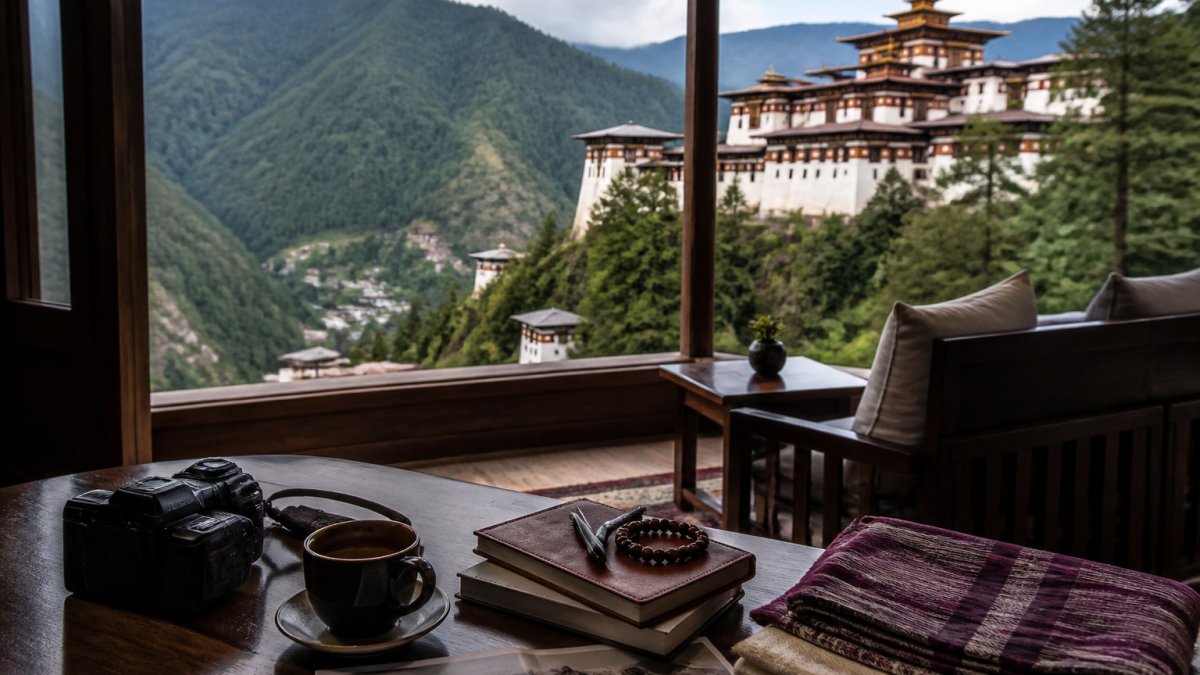
Bhutan luxury travel is worth it if you value exclusivity, genuine cultural immersion and landscapes that mass tourism has not touched. The Himalayan kingdom caps visitor numbers through its high-value, low-volume policy, so you are never sharing a monastery courtyard with a crowd. This guide breaks down exactly what your money covers.
The country charges every visitor a nightly Sustainable Development Fee, which funds free healthcare, education and conservation. That fee sits on top of your lodge, guide and transport costs, and it is the single biggest reason Bhutan looks expensive next to other Asian destinations.
Below, we break down the fee, the lodges, the insurance question and the physical demands, so you can decide with real numbers rather than glossy brochures.
Bhutan Sustainable Development Fee Explained
The Sustainable Development Fee (SDF) is a nightly levy every visitor pays, and it is the foundation of the country's high-value, low-volume tourism model. It replaced the old all-inclusive daily tariff that bundled accommodation, meals, transport and guiding into one government-set rate. Under the current framework the SDF applies per person, per night, for the full length of your stay, and it is charged separately from your lodge, guide and transport costs.
The SDF is set by the Royal Government and reviewed periodically, so confirm the current amount and any concession categories before you budget. Check the Department of Immigration official fee guidance for the prevailing rate. Children below the stated age threshold and visitors from certain regional neighbours attract reduced rates, and there are usually long-stay discounts for extended itineraries.
Where the money actually goes
This is the part most guides skip. The SDF is not a visa fee and it is not a tax on luxury, it is the funding mechanism for the country's constitutionally mandated development model. Revenue is directed toward:
- Free healthcare and education for citizens, which removes the need for the state to chase volume tourism revenue
- Forest conservation and protected-area management, since the constitution requires that a majority of the country remain under forest cover
- Heritage restoration, including maintenance of the monasteries, dzongs and pilgrimage sites that luxury itineraries are built around
- Rural infrastructure such as roads, bridges and utilities that make remote valleys reachable and lodge-ready
In other words, the fee you pay is what keeps the valleys uncrowded, the trails maintained and the cultural sites intact. A luxury traveller is effectively pre-funding the pristine conditions they have come to experience.
How the SDF fits into your overall spend
| Cost component | What it covers | Who arranges it |
|---|---|---|
| Sustainable Development Fee | Conservation, healthcare, education, heritage | Government, collected via your operator |
| Luxury lodge | Accommodation, meals, some activities | Your lodge or operator |
| Private guide and transport | Bespoke itinerary, driver, vehicle | Your operator |
| Visa processing | Entry permit for your stay | Your operator or agent |
| Insurance | Medical, evacuation, cancellation | You, arranged before departure |
The post-pandemic policy shift
Many older guides still describe the pre-2020 model, where a single daily tariff covered almost everything. That framework was retired, and the current structure separates the SDF from your operating costs. The practical effect for luxury travellers is twofold: your daily government levy is now transparent and itemised, and your operator has more flexibility to build a bespoke itinerary around the lodges and experiences you actually want, rather than a fixed package.
A common mistake is treating the SDF as a hidden tax or a sunk cost to be minimised. It is neither. It is the price of keeping the destination pristine and uncrowded, which is precisely what you are paying for.
What to Expect from Luxury Lodges in Bhutan
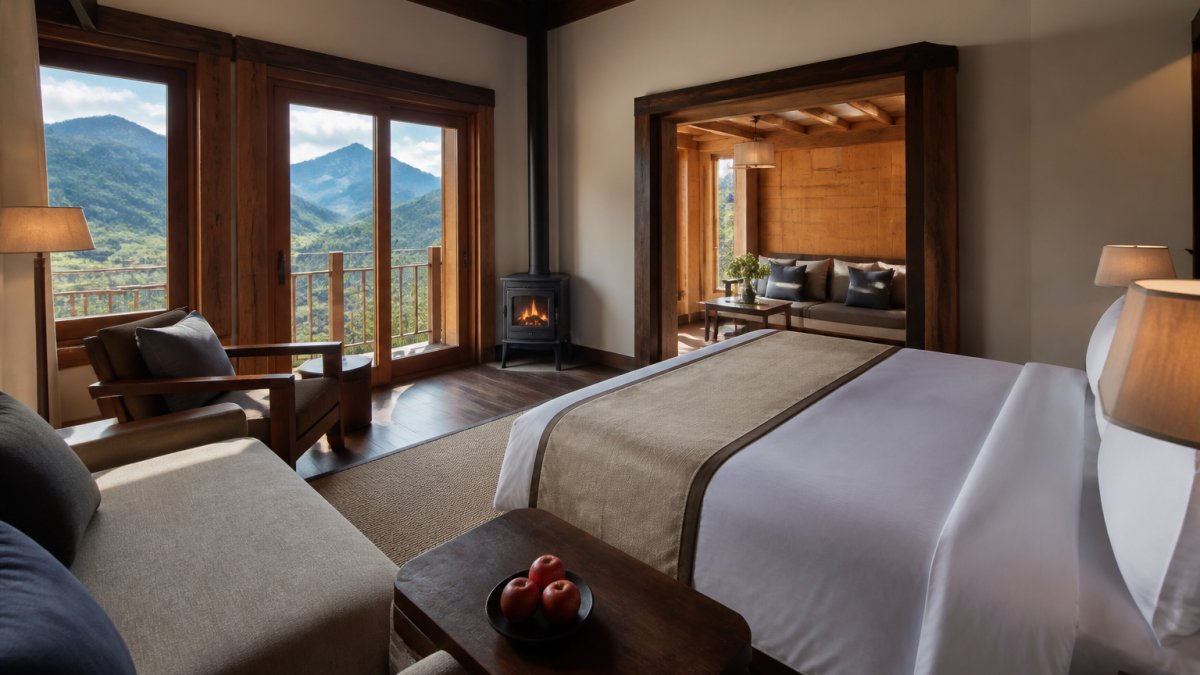
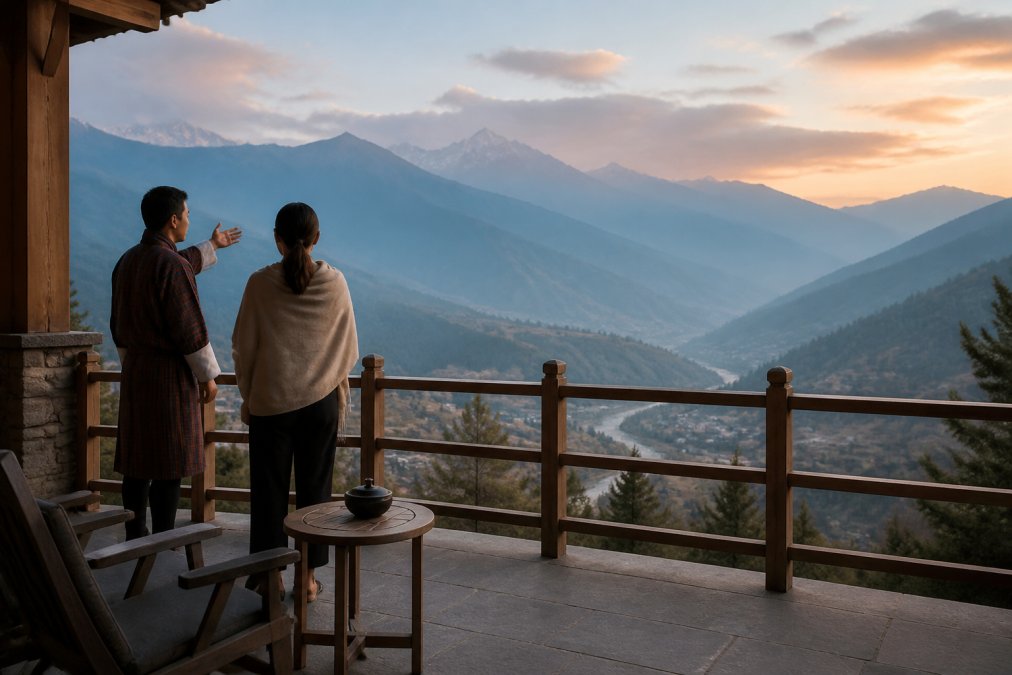
Luxury lodges in Bhutan combine boutique design, gourmet dining and valley views with a level of privacy that standard hotels cannot match. Expect handcrafted interiors, wood-burning stoves and staff who greet you by name.
Are Boutique Hotels in Bhutan Covered by Travel Insurance?
Boutique hotels in Bhutan are generally covered by travel insurance in the same way as any other accommodation, but the policy wording matters more than the star rating. Standard travel policies cover trip cancellation, medical expenses and lost baggage regardless of where you sleep.
Before you book, confirm the following with your insurer:
- The altitude ceiling for trekking cover on your policy
- Whether medical evacuation from remote valleys is included
- Cancellation cover if your SDF or permit is delayed
- Whether pre-existing conditions are excluded
Luxury vs Standard: What the Premium Actually Buys
The premium buys three things you cannot get on a standard itinerary: exclusivity, expertise and time. Standard tours move you through the highlights efficiently. Luxury travel slows the pace and opens doors that stay closed to groups. But the difference is more concrete than that, and it is worth seeing side by side.
| Factor | Standard experience | Luxury experience |
|---|---|---|
| Group size | Shared coach, 15-25 people | Private, your party only |
| Guide | Rotating, scripted commentary | Dedicated expert, bespoke itinerary |
| Accommodation | Mid-range hotels | Boutique lodges, valley views |
| Access | Public opening hours | Private ceremonies, after-hours visits |
| Pace | Fixed schedule | Adjustable day by day |
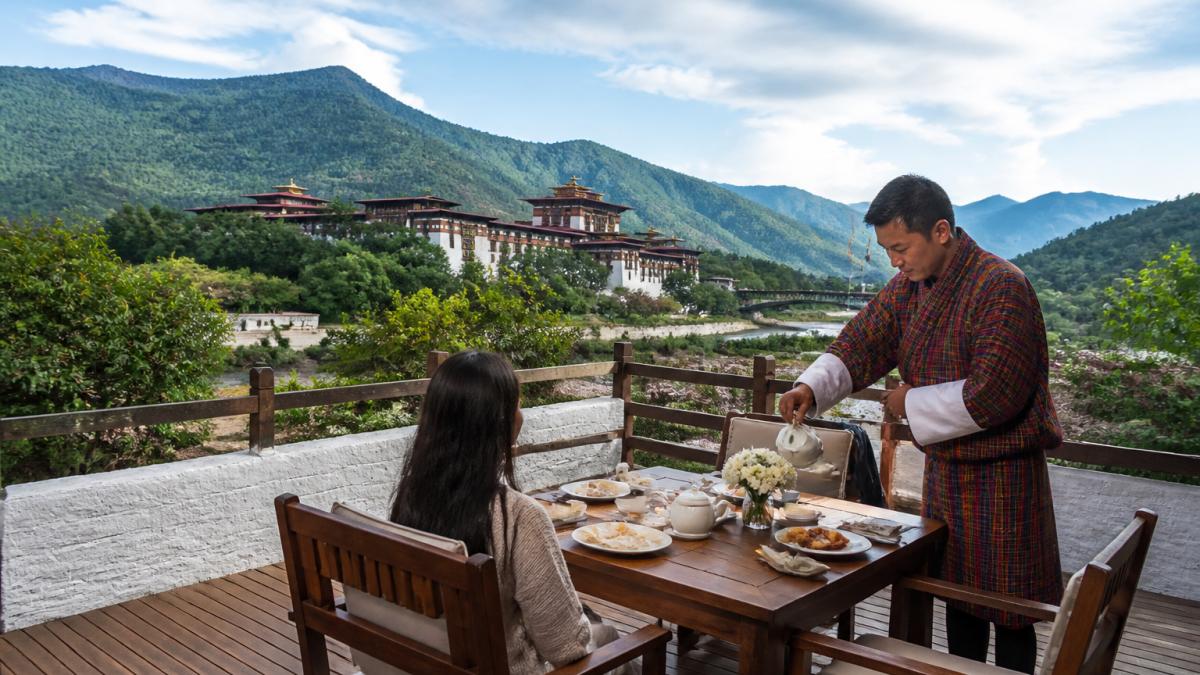
| Dining | Buffet or set menu | Chef-led menus using local produce |
| Wellness | Not included | Spa, hot-stone baths, meditation sessions |
| Transport | Shared vehicle | Private SUV with dedicated driver |
What the standard traveller misses
Three things are genuinely out of reach on a standard itinerary, regardless of how much you spend on extras:
- After-hours access. Private blessings, monastery visits outside public hours and meetings with monks or local artisans are arranged through long-standing operator relationships, not bought at the gate.
- A guide who knows the valley. The best guides have spent decades in specific regions and can adjust an itinerary mid-trip around weather, festivals or your own energy levels. A rotating guide cannot.
- Time to acclimatise. Luxury itineraries build in slow first days and flexible afternoons. Standard tours often push the schedule to cover more ground, which is exactly when altitude problems appear.
The physical reality luxury travellers need to plan for
This is the part most guides avoid. Even a five-star itinerary involves altitude, uneven terrain and long drives. The valleys sit high above sea level, and monastery visits frequently mean stairs and steep paths. A luxury lodge does not change the geography.
The trade-off
You will pay considerably more per day, and some travellers find the slower pace frustrating if they want to tick off every landmark. For those who want depth over coverage, the premium pays for itself. The question is not whether the luxury tier is better, it is whether you want the trip the standard tier delivers, or the one the luxury tier makes possible.
Accessibility and Physical Requirements for Luxury Travellers
Luxury travel in Bhutan still involves altitude, uneven terrain and long drives, even when you sleep in the finest lodges. The valleys sit high above sea level, and monastery visits often mean stairs and steep paths.
Final Verdict: Who Should Book a Bhutan Luxury Trip?
Bhutan luxury travel suits travellers who want depth, privacy and genuine cultural immersion rather than a checklist of sights. If you value exclusivity, wellness and expert-led discovery over volume, the premium delivers.
Frequently Asked Questions
Is Bhutan really worth visiting for luxury travellers?
It depends on what you value. Bhutan offers exclusive access to monastery ceremonies, pristine valleys, and boutique lodges that few destinations can match. The high-value, low-volume policy keeps crowds out, so you experience cultural heritage without the queues. If you prioritise privacy, spirituality, and untouched wilderness over nightlife or shopping, Bhutan luxury travel delivers a return that mass-market destinations cannot.
How much is the Sustainable Development Fee and what does it cover?
The SDF is a daily levy that funds sustainable tourism, free healthcare, and education. It applies to all visitors and is separate from your tour costs. The fee is higher for most nationalities and lower for regional visitors. It covers your stay's environmental and social impact, but not accommodation or meals. Your operator will provide guidance on how the SDF is handled.
Are boutique hotels in Bhutan covered by travel insurance?
Most standard travel insurance policies cover accommodation if it is a registered commercial property. Check your policy for clauses on remote locations, altitude activities, and pre-existing medical conditions. Because many lodges sit above 2,500 metres, ensure your policy includes altitude acclimatization and emergency evacuation.
What distinguishes a luxury tour from a standard itinerary?
Luxury tours include private guides, bespoke itineraries, and exclusive access to sites closed to groups. You stay in boutique lodges with gourmet dining and spa facilities, and travel by private vehicle. Standard itineraries use group buses, fixed schedules, and mid-range hotels.
Do I need a private guide for a luxury experience?
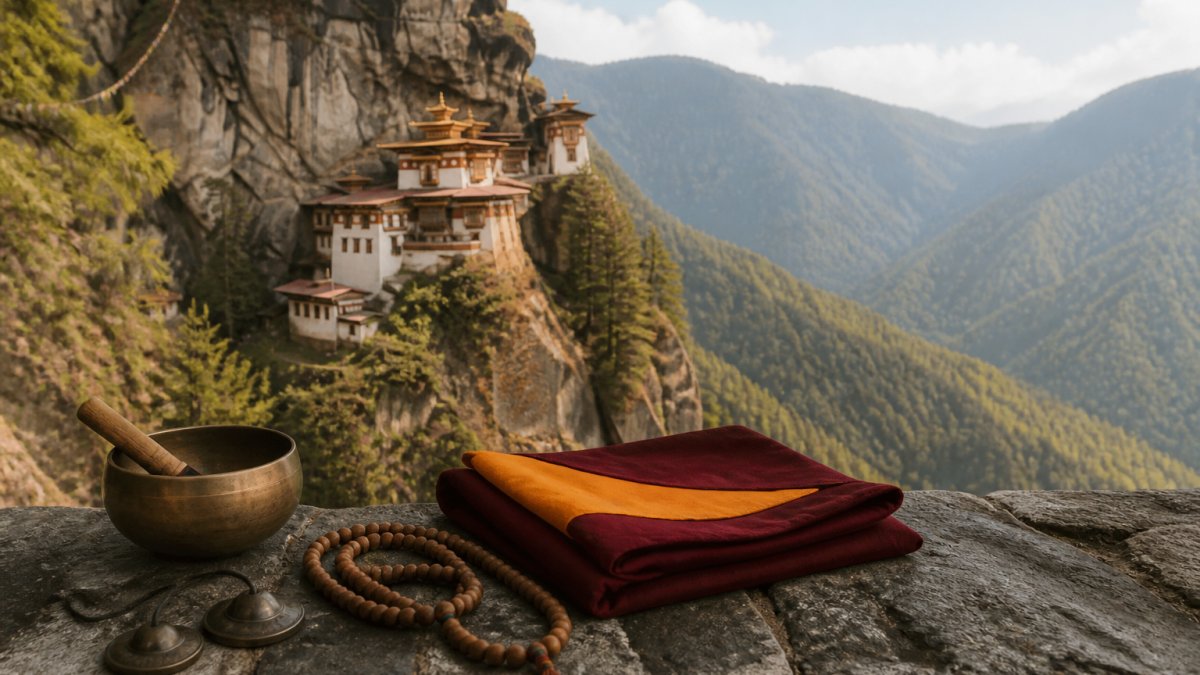
A private guide transforms the trip. They unlock monastery ceremonies, arrange meetings with local artisans, and explain Buddhist philosophy in context. Without one, you see the same Tiger's Nest as everyone else. With one, you access remote valleys, private blessings, and curated experiences that match your interests. For a bespoke itinerary, a private guide is essential to avoid generic group pacing.
Deciding whether the premium is justified comes down to how you measure value. Iconic Bhutan Travels A Pristine Journey designs bespoke itineraries that pair boutique lodges with private guides, genuine cultural access and full management of your SDF and visa processing, so the complexity stays with us and the experience stays with you. Get started with Iconic Bhutan Travels A Pristine Journey and travel with the confidence that every detail has been handled.