 listicle
Private Cultural Tours in Bhutan for Seniors
Table of Contents
- What Makes Private Cultural Tours in Bhutan Ideal for Seniors
- Best Time to Visit Bhutan for Seniors
- Top Private Cultural Tour Operators for Seniors
- Boutique Hotels in Bhutan and Travel Insurance Coverage
- Designing a Bhutan Luxury Travel Itinerary for Seniors
- Health, Accessibility, and Practical Considerations
- Understanding Costs and the Sustainable Development Fee
- Frequently Asked Questions
Last Updated: October 2, 2026
What Makes Private Cultural Tours in Bhutan Ideal for Seniors
Private cultural tours in Bhutan for seniors offer carefully paced immersion into a preserved Buddhist kingdom. Unlike group tours, private itineraries let you move at your own rhythm, spend unhurried time at sacred sites, and engage deeply with local communities without the physical strain of keeping up with younger travellers.
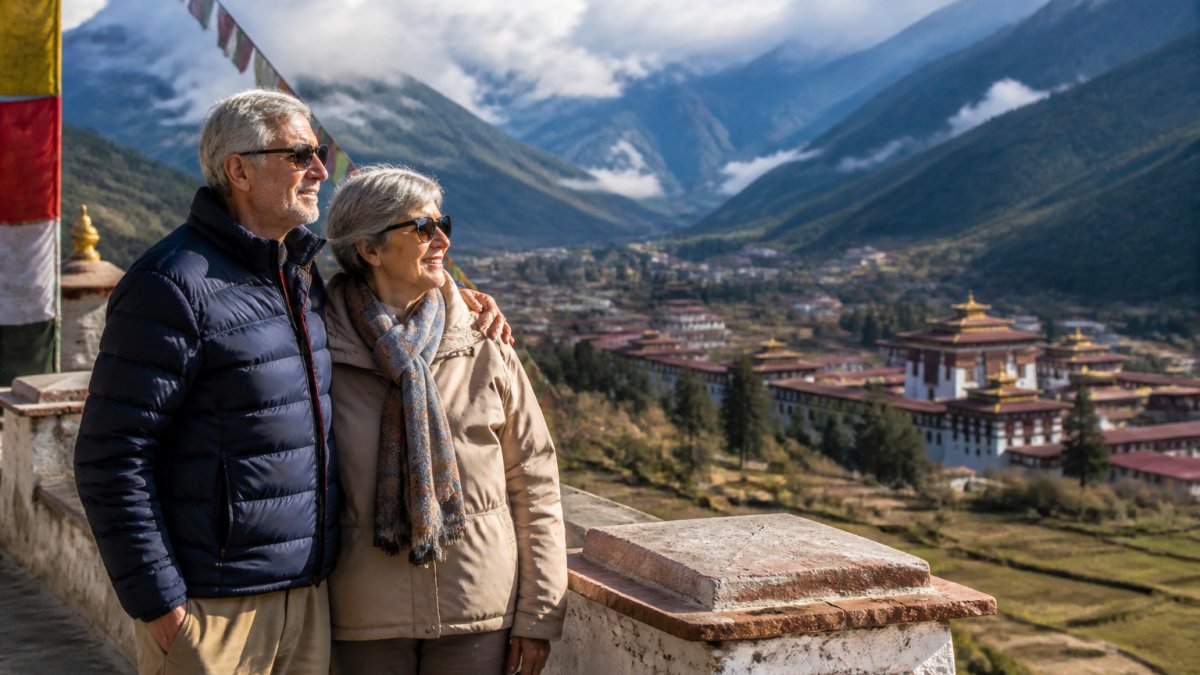
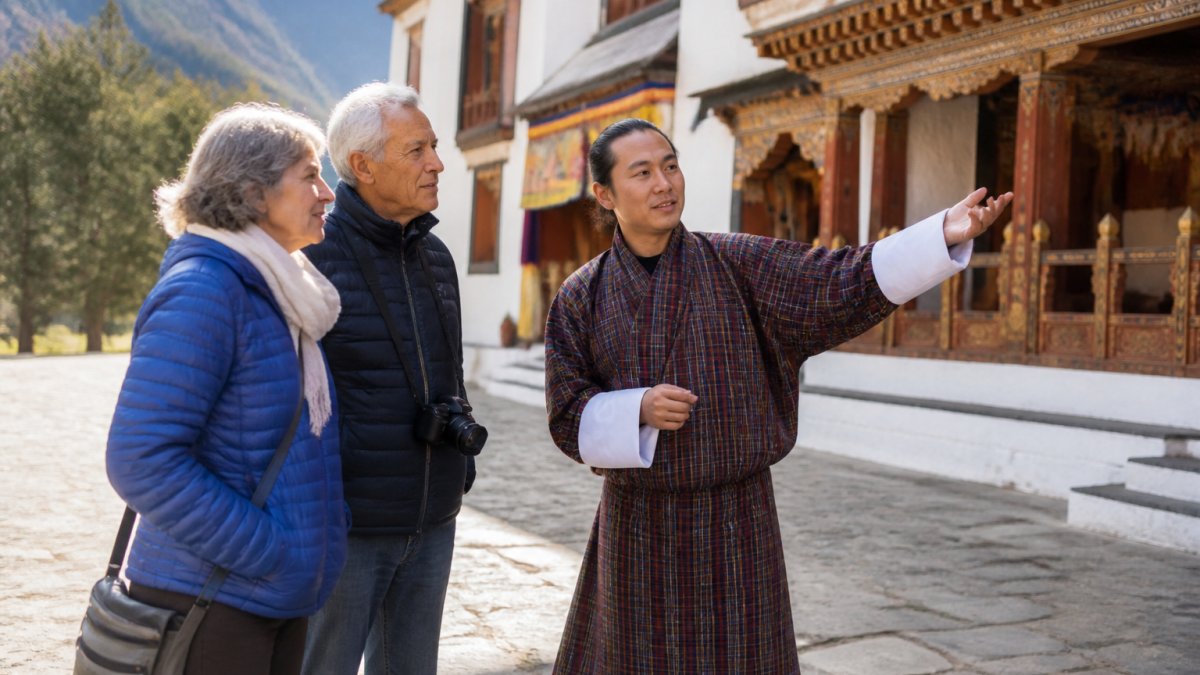
Bhutan's tourism model mandates licensed operators and caps daily visitors through the Sustainable Development Fee (SDF), protecting both culture and journey quality. A private guide becomes your cultural interpreter, translating Buddhist philosophy into conversations that resonate with your life experience.
The slower pace deepens cultural immersion. You can linger at a monastery for afternoon prayers, join a family for a traditional hot stone bath, or ask your guide difficult questions about faith and history without worrying about holding back a group.
Private operators handle visa applications, SDF payments, vehicle arrangements, and itinerary adjustments, removing complexity that deters older travellers. Your guide meets you at the airport and knows which restaurants accommodate dietary needs and which sites have rest areas.
Best Time to Visit Bhutan for Seniors
The ideal travel window for seniors spans March to May and September to November. These shoulder seasons deliver clear skies, moderate temperatures, and manageable humidity, conditions that matter more as you age.
Spring (March-May) brings wildflower blooms and mild daytime temperatures around 18-22°C, with nights cooling to 8-12°C. This period suits seniors who prefer warmer weather and visual spectacle.
Autumn (September-November) offers similar conditions with drier air and excellent visibility. October is peak season: temperatures hold steady at 15-20°C, rainfall is minimal, and operators report highest satisfaction rates.
Avoid June through August (monsoon rains, muddy trails, landslide risks) and December through February (intense cold, daytime highs 8-10°C, icy surfaces increase injury risk).
Match timing to your physical tolerance: spring if you tire easily in heat, autumn if cold aggravates arthritis. Quality operators design itineraries accordingly.
Top Private Cultural Tour Operators for Seniors
Iconic Bhutan Travels A Pristine Journey: Bespoke Luxury Immersion
Iconic Bhutan Travels A Pristine Journey prioritises authentic cultural depth through carefully curated experiences. Each journey is tailored to your interests, pace, and physical capabilities.
Custom itineraries are built around your interests, Buddhist philosophy, textile traditions, or village life. This bespoke model requires guides who understand both Bhutanese culture and how to translate it for visitors at different life stages.
Comfortable accommodation, private vehicle transport, and guides trained to anticipate needs ensure authenticity without sacrifice. Meals reflect local cuisine while accommodating dietary restrictions, and rest days are built into itineraries.
Odyssey Traveller: Educational Depth with Senior-Focused Pacing
The pricing reflects the educational focus and small-group model. This operator targets affluent, intellectually curious retirees who value expertise and don't need to negotiate cost.
Bhutan Best Travel: Comprehensive Cultural Highlights
Six days is short for cultural immersion. You'll see highlights but not depths, limited time to sit with monks or understand daily rhythms. This works as an introduction but lacks transformative depth.
Kingdom of Happiness Tours: Authentic Local Experiences
Less structured intellectual framework than Odyssey Traveller and less bespoke customisation than Iconic Bhutan Travels A Pristine Journey, semi-standardised itineraries suit some seniors but frustrate those wanting deeper expertise or greater flexibility.
Boutique Hotels in Bhutan and Travel Insurance Coverage
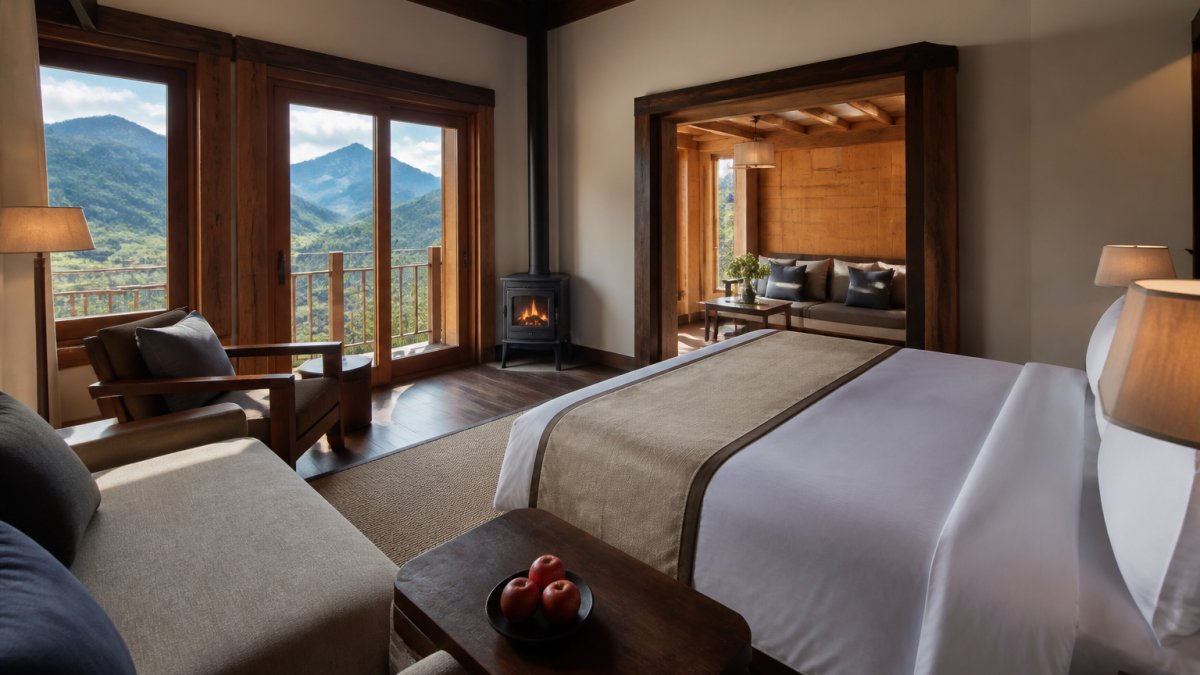
Luxury accommodation clusters in Thimphu, Punakha, and Paro. Boutique hotels (10-30 rooms) reflect traditional architecture while delivering modern comfort: heated rooms, reliable electricity, hot water, and spa facilities.
Accessibility varies significantly. Many historic properties have stairs and limited lift access. Ask operators about ground-floor rooms, accessible bathrooms, and staff trained to assist with mobility challenges.
Travel insurance requires specific attention. Standard policies often exclude high-altitude activities. Medical evacuation insurance is essential, the nearest major hospital is in Delhi or Bangkok, and evacuation flights cost $8,000-$15,000 AUD.
Work with your operator to identify insurance requirements before booking. Some include evacuation insurance; others expect you to arrange it separately. This is critical for senior travel to a remote destination.
Designing a Bhutan Luxury Travel Itinerary for Seniors
Eight to ten days is the sweet spot for seniors: enough time to acclimatise, experience multiple regions, and sit with experiences rather than rushing.
A typical structure:
- Days 1-2: Arrive in Paro, settle in Thimphu, acclimatise at moderate elevation
- Days 3-4: Explore Thimphu's spiritual sites (Changangkha Lhakhang, Tashichho Dzong) and cultural institutions
- Days 5-6: Travel to Punakha valley, visit Punakha Dzong and surrounding monasteries, participate in local experiences
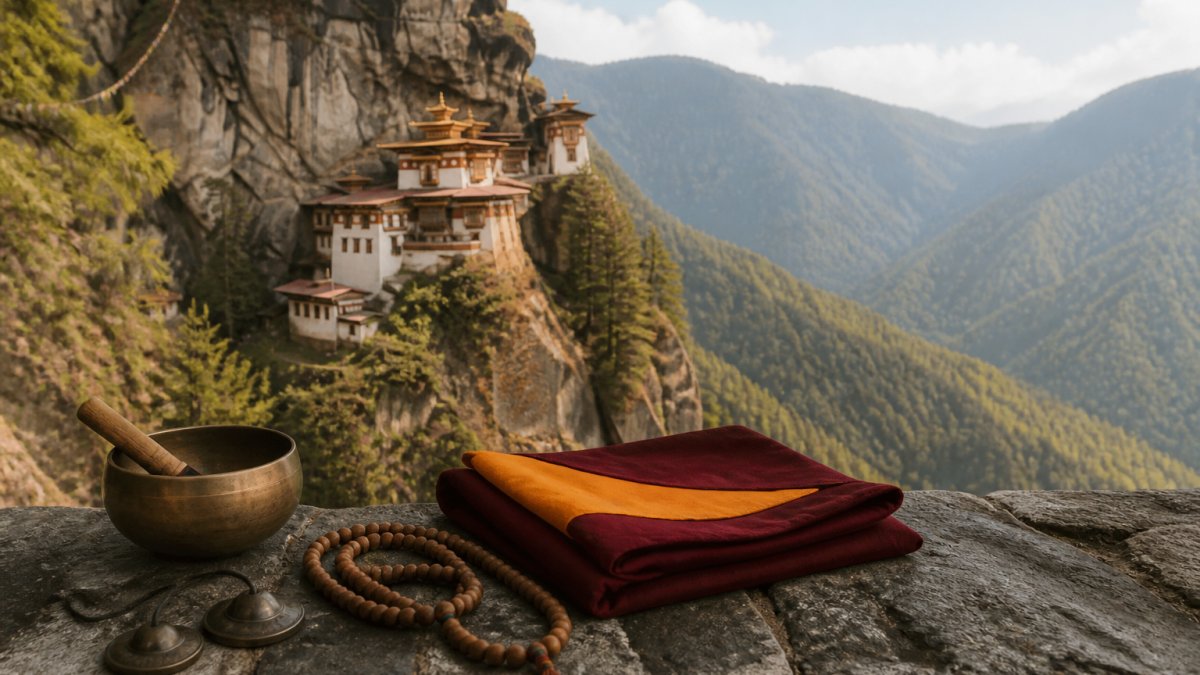
- Days 7-8: Return to Paro, visit Tiger's Nest at your own pace, explore Paro's farmhouse culture
- Days 9-10: Buffer time for rest, additional exploration, or preparation for departure
This structure builds in acclimatisation, avoids consecutive high-altitude days, and allows rest between major experiences. Your guide adjusts based on how you're feeling, a quality operator prioritises your wellbeing over itinerary completion.
Private cultural tours in Bhutan for seniors work best when they include:
- One full rest day mid-itinerary
- Mix of high-energy cultural sites and contemplative experiences
- Meals that balance local cuisine with familiar options
- Flexibility to extend or shorten activities based on daily energy levels
- Private vehicle transport with frequent stops (no marathon driving days)
A luxury itinerary also incorporates experiences that reflect your interests. If you're spiritually inclined, allocate time for meditation or conversations with monks. If you're interested in textiles, spend a morning with weavers. If you want to understand contemporary Bhutanese life, include time in local markets and with families. This customisation is what separates a generic tour from a transformative journey.
Health, Accessibility, and Practical Considerations
Altitude affects seniors differently than younger travellers. Bhutan's inhabited regions range from 2,320 metres (Thimphu) to 3,500 metres (Gangtey). At these elevations, some people experience mild headaches, fatigue, or sleep disruption. Others feel nothing. The only way to know is to experience it.
Acclimatisation matters enormously. Spend your first two nights at lower elevation (Thimphu or Paro) before ascending. Drink water constantly, altitude dehydration is often mistaken for altitude sickness. If you experience persistent headaches, nausea, or shortness of breath, inform your guide immediately.
Ask your operator about:
- Which sites require significant walking or climbing
- Whether rest areas exist at major sites
- If porters or assistance is available for challenging terrain
- What accommodation accessibility features are available
- Whether dietary restrictions can be accommodated
Understanding Costs and the Sustainable Development Fee
Bhutan's tourism model requires all international visitors to book through a licensed operator and pay the Sustainable Development Fee (SDF). This is not optional, and it's not a hidden cost, it's a transparent government requirement designed to limit overtourism and fund conservation.
Frequently Asked Questions
What is the best time of year for seniors to visit Bhutan?
Autumn (September to November) and spring (March to May) offer the most comfortable conditions for seniors. Temperatures range from 15-25°C, skies are clear for scenic views, and humidity is lower. Winter (December to February) brings crisp air and fewer tourists but can be cold at higher altitudes. Monsoon season (June to August) brings heavy rainfall and reduced visibility. Spring aligns well with Bhutan's festivals, offering cultural immersion without extreme weather or physical strain.
Are private cultural tours in Bhutan physically demanding for seniors?
Private cultural tours can be tailored to match your fitness level. Most itineraries include walking at moderate pace to temples and dzongs, typically 2-4 hours daily. Altitude in western Bhutan (1,500-2,600 metres) may cause mild effects; operators familiar with seniors recommend gradual acclimatisation. Private guides adjust rest stops, pacing, and activity intensity. Tours focusing on cultural immersion rather than trekking minimise physical demand whilst maximising authentic experiences.
How does the Sustainable Development Fee (SDF) work for senior travellers?
Bhutan's SDF is a mandatory daily charge that funds conservation and development. This fee is typically included in private tour packages arranged through licensed operators. It covers environmental protection and community benefit. All tour operators must collect it; there are no age-based exemptions. When booking, confirm whether your operator includes SDF in the quoted price or charges it separately, as this affects your total cost calculation.
What should I look for in boutique hotels in Bhutan when considering travel insurance coverage?
Look for boutique properties that meet international safety and hygiene standards, as many travel insurance policies require this. Check whether your insurance covers high-altitude accommodation (most do above 1,500 metres). Verify the hotel offers 24-hour medical support access and clearly document any pre-existing conditions with your insurer before booking. Boutique hotels often provide personalised accessibility features; confirm these align with your needs and inform your insurer of any special requirements to ensure full coverage.
Can a meaningful cultural experience be delivered in 5-7 days, or do I need a longer trip?
Five to seven days is sufficient for a meaningful cultural experience when planned strategically. Private operators can focus on depth over breadth: spending extended time in one dzong, learning from local artisans, or participating in ceremonies rather than rushing between sites. Longer trips (10-14 days) allow slower pacing, acclimatisation, and exploration of remote valleys. The quality of your experience depends more on itinerary design and guide expertise than duration. Discuss your priorities with your operator to maximise cultural immersion within your timeframe.