 ultimate-guide
Luxury Cultural Immersion in Bhutan: A 2026 Guide
Table of Contents
- Beyond the Itinerary: How Your SDF Shapes Cultural Preservation
- The Best Luxury Lodges in Bhutan for Authentic Stays
- Curating Your Bhutan Cultural Tour Itinerary: Key Valleys and Experiences
- How to Pack for Bhutanese Monastery Visits: Etiquette and Essentials
- Respecting Tradition: Dress, Customs, and Local Etiquette
- Planning Your Journey: Logistics, Timing, and What It Costs
- Frequently Asked Questions
What Defines a Luxury Cultural Immersion in Bhutan?
Bhutan cultural immersion experiences, in their luxury form, are defined not by thread counts or chandeliers, but by access, timing, and interpretation. A truly luxurious journey grants you private entry into living traditions, explains the symbolism behind the rituals, and places you in spaces where you are the only guest. Authentic Bhutan delivered with elegance, where the luxury is the depth of understanding you leave with.
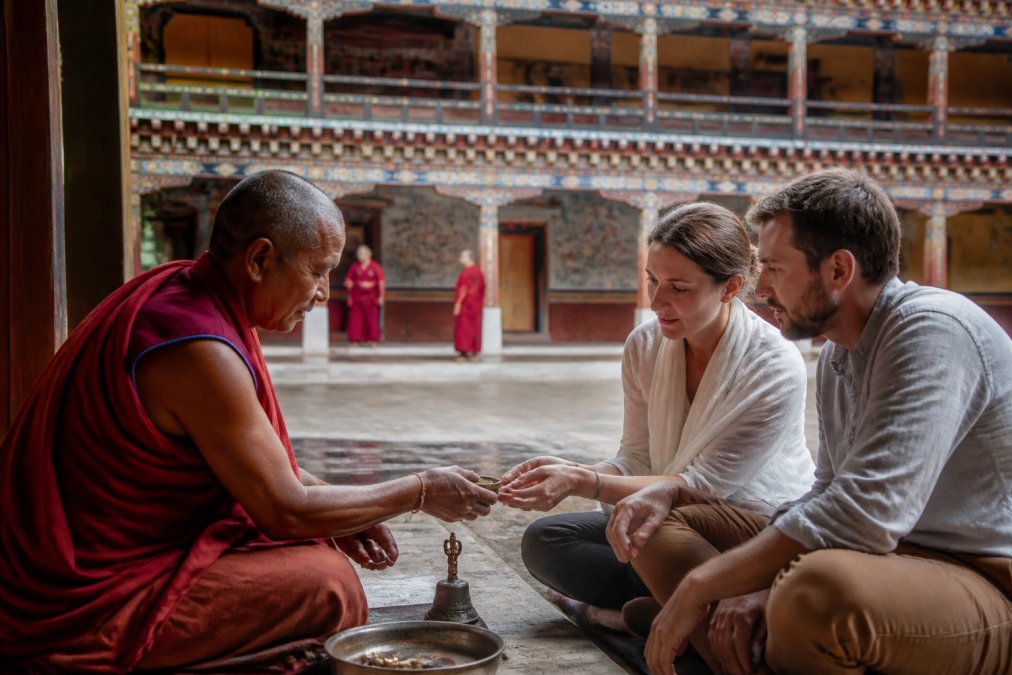
This kind of travel is fundamentally different from a standard tour. It involves private blessings from monks, unhurried conversations with artisans, and meals prepared from garden to table in your own lodge. Most visitors see the Himalayan kingdom; a cultural immersion understands it.
Beyond the Itinerary: How Your SDF Shapes Cultural Preservation
Every visitor to Bhutan pays a Sustainable Development Fee (SDF), a daily charge that funds free healthcare, education, and the preservation of cultural heritage sites. This fee is the backbone of the country's high-value, low-volume tourism strategy. Rather than viewing it as a surcharge, consider it a direct investment in the very monasteries, festivals, and traditions you have come to experience.
The policy deliberately limits tourist numbers to protect the culture and environment. This means your journey supports the maintenance of ancient dzongs and the livelihoods of local artisans. According to the official tourism guidelines for the Sustainable Development Fee, the funds are channelled directly into conservation and community projects. When you travel with a responsible operator, you may see the tangible impact: restored murals, thriving craft cooperatives, and pristine trails.
The Best Luxury Lodges in Bhutan for Authentic Stays
The best luxury lodges in Bhutan master a delicate balance: they offer five-star comfort while remaining deeply rooted in place. These are not generic international hotels but boutique lodges constructed from rammed earth and timber, designed with traditional architecture, and staffed by locals who treat you like family. Expect wood-burning stoves, Himalayan bath salts, and panoramic views of the Punakha Valley or the peaks above Paro.
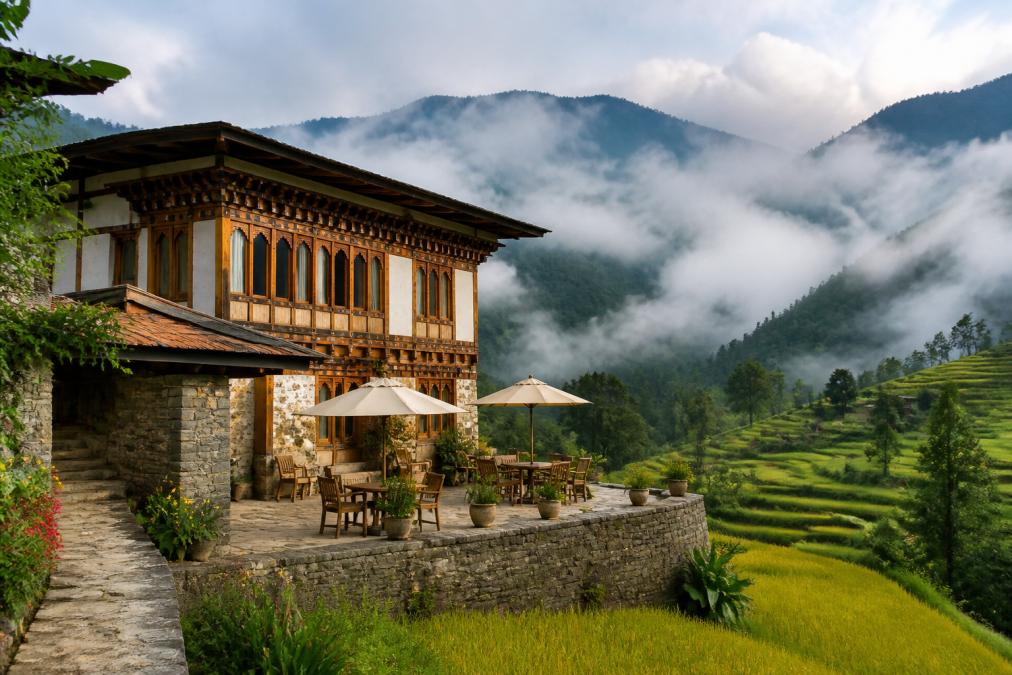
What sets these properties apart is their role as cultural gateways. Many offer in-house monks for blessing ceremonies, hot stone baths (a traditional remedy), and farm-to-table gourmet dining featuring local buckwheat and chillies. A common mistake is choosing a lodge solely on star ratings. Instead, look for properties that offer guided day walks from your doorstep and employ local guides who can navigate the nuances of village life.
Curating Your Bhutan Cultural Tour Itinerary: Key Valleys and Experiences
A well-crafted Bhutan cultural tour itinerary is not a list of sights; it is a sequence of encounters designed around the rhythm of the Buddhist calendar and the particular character of each valley. The western circuit, Paro, Thimphu, and Punakha, forms the essential foundation, but the depth of your experience depends on how you layer activities within each location.
Paro: The Gateway and the Ascent
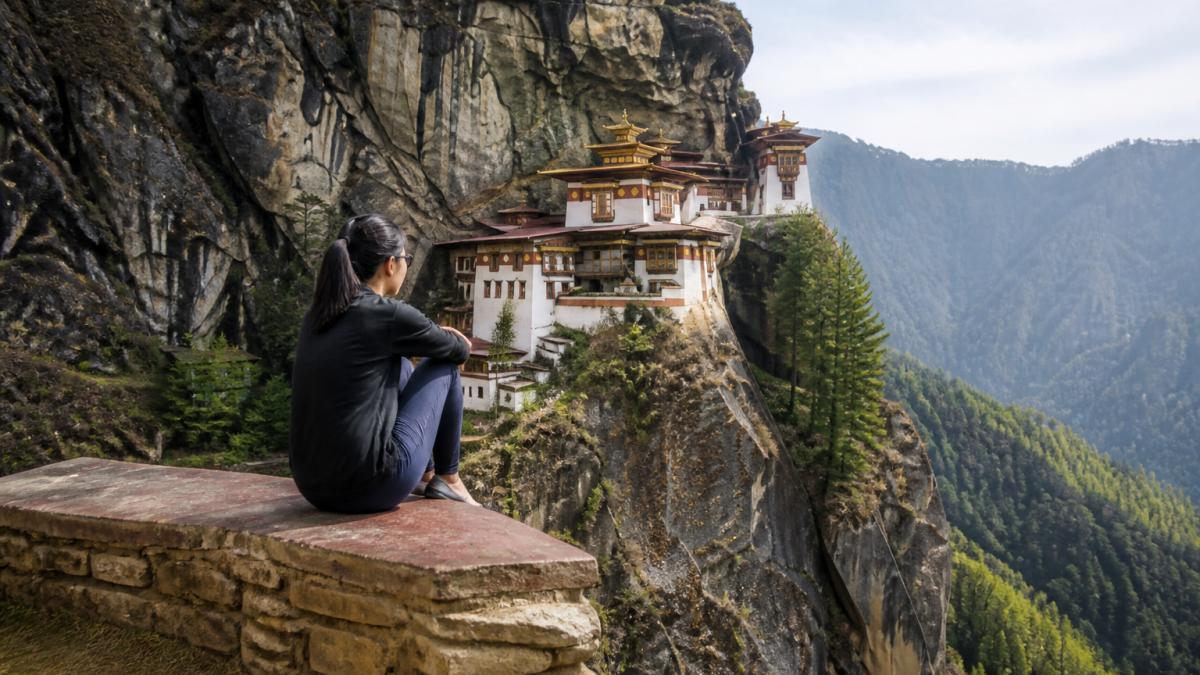
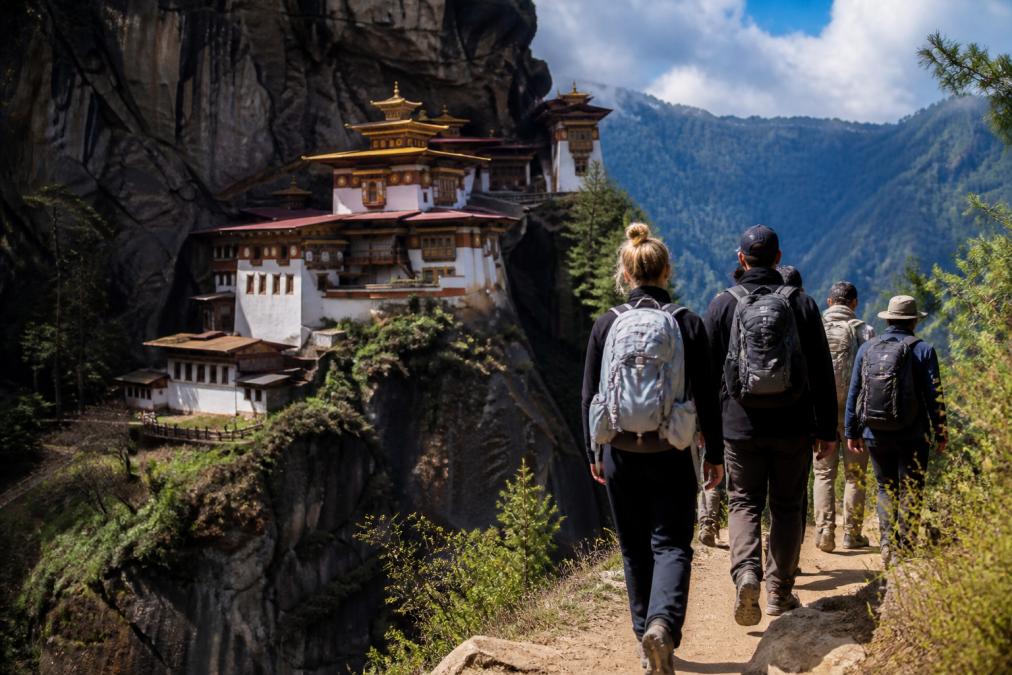
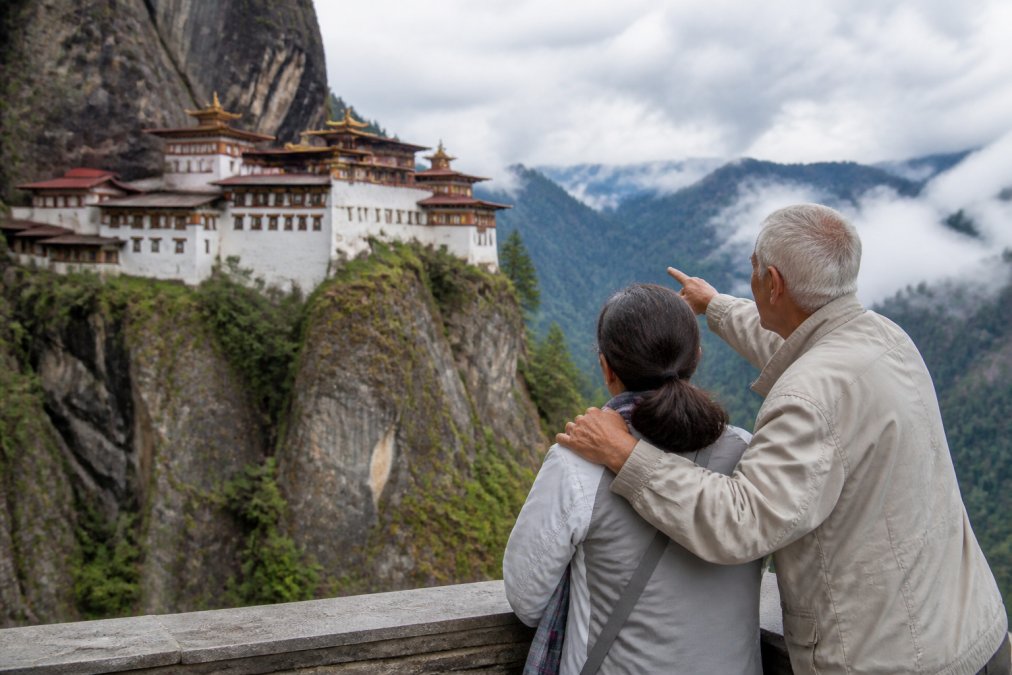
Paro is where most journeys begin, and its defining experience is the hike to Taktsang (Tiger's Nest) Monastery. The climb takes roughly two to three hours each way, ascending 900 metres from the valley floor (bhutan.travel). Most visitors attempt this as a morning excursion, but the discerning traveller knows that arriving at the viewpoint after 10am means sharing the ledge with dozens of other hikers. A luxury itinerary schedules the ascent for first light, when the monastery's prayer flags catch the morning sun and the only sounds are wind and chanting from within the cliff-face complex.
Beyond Taktsang, Paro offers the National Museum of Bhutan (Ta Dzong), housed in a 17th-century watchtower, and the Rinpung Dzong, whose fortress walls contain some of the finest examples of traditional mural painting in the kingdom. For the culturally curious, the Druk Choeding Temple in the town centre hosts regular prayer sessions that visitors may observe with a guide's introduction.
Thimphu: Tradition Meeting Modernity
The capital city presents a different texture. The weekend market (open Friday through Sunday) brings farmers from across the valley with fresh produce, handwoven textiles, and traditional medicines. A guided visit here, not a solo wander, reveals the subtleties of Bhutanese trade: how chillies are graded, which mushrooms are considered delicacies, and why the local cheese is fermented for weeks before being added to ema datshi, the national dish.
The National Memorial Chorten, built in 1974 in memory of the third king, is a living monument rather than a tourist site. Locals circle it daily, spinning prayer wheels and reciting mantras. Joining this circuit, always clockwise, with a guide who can explain the symbolism of the stupa's four sides offers a window into daily devotional practice that no museum can replicate.
For artisans, the National Institute for Zorig Chusum (the School of the Thirteen Arts) welcomes visitors to observe students mastering thangka painting, woodcarving, and embroidery. A private session with a master painter, arranged through a specialist operator, allows visitors to attempt the intricate brushwork of a traditional thangka under direct supervision. This is not a souvenir-making activity; it is an education in the discipline and symbolism behind Bhutan's sacred art.
Punakha: The Ancient Capital and Its Rhythms
Punakha, reached via the dramatic Dochula Pass (3,100 metres), offers the kingdom's most majestic dzong. The Punakha Dzong sits at the confluence of the Pho Chhu and Mo Chhu rivers, and its location is no accident, the rivers symbolise the male and female energies that the dzong's architecture seeks to balance. A guide who can explain the geomantic principles behind the fortress's placement transforms a visit from architectural appreciation to spiritual understanding.
The valley's other great experience is the hike to Khamsum Yulley Namgyal Chorten, a 45-minute walk through rice terraces and pine forest. This temple was built in 1999 to ward off negative forces and promote peace. Unlike Taktsang, it sees few visitors, and the climb rewards with panoramic views of the Punakha Valley. The walk is gentle enough for a post-lunch excursion, and the temple's interior murals depict the life of Guru Rinpoche in extraordinary detail.
The Seasonal Layer
What competitors rarely detail is how the calendar shapes which experiences are possible. The Paro Tshechu (usually March or April) features the Thongdrel, a massive embroidered tapestry unveiled at dawn that is believed to liberate onlookers from the cycle of rebirth. Attending requires being in Paro on the specific festival date, which shifts annually according to the lunar calendar. The Thimphu Tshechu (usually September or October) is larger and more theatrical, with masked dances that can run for six hours across three days.
In winter, the Punakha Drubchen and Punakha Tshechu (usually December or January) offer a rare glimpse of the re-enactment of the 17th-century battle against Tibetan invaders, with local men in period armour. This festival draws almost no international visitors, making it the choice for travellers seeking authenticity over spectacle.
Artisan Workshops Beyond the Capital
While Thimphu's craft school offers observation, the Khoma village in eastern Bhutan is the centre of the country's famed nettle-fibre weaving. A full-day excursion from Mongar, typically requiring an internal flight to Trashigang, allows visitors to sit with weavers at their looms and understand the months of labour behind a single kira (the traditional women's garment). Similarly, the village of Gangtey in the Phobjikha Valley is home to a paper-making cooperative where visitors can produce their own sheet of daphne paper using techniques unchanged for centuries.
These workshops are not add-ons; they are the mechanism by which tourism revenue reaches rural communities. The SDF funds conservation, but your direct engagement with artisans, and your purchase of their work, sustains the craft traditions themselves. A luxury itinerary often allocates at least half a a day to at least one such workshop, ensuring that your presence has measurable cultural impact.
For a first visit, a minimum of seven nights across Paro, Thimphu, and Punakha is often recommended, with a ninth night added if you wish to include the Phobjikha Valley and its black-necked crane roosting grounds. This duration allows for the Tiger's Nest ascent, two full days of festival or workshop engagement, and the unhurried pace that transforms sightseeing into understanding.
How to Pack for Bhutanese Monastery Visits: Etiquette and Essentials
Packing for Bhutanese monastery visits requires a focus on modesty and practicality. The dress code for entering any religious site is strict: shoulders and knees must be covered for all genders. Lightweight, loose-fitting trousers and long-sleeved shirts are ideal. Sturdy walking shoes are essential, as many monasteries, including Tiger's Nest, require a significant uphill trek.
Beyond the basics, consider the climate, which varies dramatically with altitude. Layering is crucial, as mornings can be cold, and afternoons warm. A lightweight rain jacket is indispensable, even in the dry season. The cultural etiquette extends to removing shoes before entering temples and refraining from pointing your feet at religious icons. Photography is often prohibited inside sanctums. When in doubt, ask your guide first.
Respecting Tradition: Dress, Customs, and Local Etiquette
Respecting local customs transforms a visit into a genuine cultural exchange. The national dress, the Gho for men and Kira for women, is worn by all Bhutanese. While visitors are not required to wear it, doing so for a special occasion or festival is a gesture of deep respect that is warmly received.
Simple etiquette rules go a long way. Accept food and tea with both hands. When offering something to someone else, offer it with both hands as well. Do not pat children on the head, as the head is considered sacred. When entering a home or a temple, walk around chortens (stupas) and prayer wheels in a clockwise direction. These small actions demonstrate that you are a guest who honours the local culture.
Planning Your Journey: Logistics, Timing, and What It Costs
Planning a luxury cultural immersion in Bhutan requires navigating a regulatory framework unlike anywhere else in the world. The single most important factor is the Sustainable Development Fee (SDF), which is a mandatory daily levy that funds free healthcare, education, and the preservation of cultural heritage sites. For current SDF rates, consult the official tourism guidelines.
The SDF is paid on top of the minimum daily package rate, which is set by the government. This package rate typically covers accommodation, all meals, a licensed guide, and internal transport. Luxury lodges sit well above this floor. The key distinction for the discerning traveller is that the SDF is non-negotiable and identical regardless of lodge standard.
Visa logistics follow a similarly structured path. You cannot apply for a Bhutanese visa independently; it is processed only through a licensed tour operator after your itinerary and SDF payment are confirmed. The visa itself is typically issued within five working days. For luxury travellers accustomed to visa-on-arrival privileges elsewhere, this requires a shift in mindset: your operator is not merely a booking agent but your official sponsor and cultural liaison.
Timing your journey is where cultural nuance truly matters. The spring festival season (March to May) offers the Paro Tshechu, usually held in late March or early April, where masked cham dances unfold against the backdrop of the Rinpung Dzong. Autumn (September to November) brings the Thimphu Tshechu, the kingdom's largest religious festival, alongside the black-necked crane festival in the Phobjikha Valley in November. These are peak months for a reason, the skies are clear and the cultural calendar is full, but they also mean higher lodge rates and more travellers at key sites.
The shoulder seasons offer a different kind of luxury: intimacy. December to February brings crisp, clear days and snow-dusted dzongs, with lodge rates often lower than peak season. The Jambay Lhakhang Drup festival in Bumthang, held in November, features the famous fire blessing ceremony and draws far fewer international visitors than the western valley festivals. For the traveller seeking private blessings and empty monastery courtyards, this is the optimal window. The trade-off is colder temperatures, daytime highs in Paro hover around 10°C in January, and the possibility of snow closing the Dochula Pass between Thimphu and Punakha.
A final logistical consideration that competitors rarely address: internal flight flexibility. The domestic route between Paro and Bumthang (operated by Bhutan Airlines) is a scenic 35-minute hop that saves a full day of driving over the Pelela Pass. However, flights are weather-dependent and often cancelled in winter. A well-structured itinerary builds in buffer days precisely for this reason. The luxury is not in cramming more valleys into a week; it is in having the time to absorb the ones you visit.
A summary of the key planning variables:
| Planning Factor | Current Detail | Strategic Impact |
|---|---|---|
| SDF | USD 100/night/adult (2025) | Non-negotiable; funds preservation |
| Minimum Package | USD 200/night/person | Covers guide, meals, transport |
| Luxury Lodges | USD 800-1,500/night | Defines comfort and access |
| Visa Processing | Via licensed operator only | Requires 5+ working days |
| Peak Season | Mar-May, Sep-Nov | Festivals; higher rates, more visitors |
| Winter | Dec-Feb | Solitude; 20-30% lower lodge rates |
| Internal Flights | Paro-Bumthang, 35 min | Saves a day of driving; weather-dependent |
For current SDF rates and official visa requirements, consult the official tourism guidelines for the Sustainable Development Fee. Your operator should provide a transparent breakdown of every cost before you commit.
Frequently Asked Questions
Can I wear jeans in Bhutan?
Yes, casual clothing like jeans is acceptable for general sightseeing in towns and villages. However, dressing respectfully is crucial for cultural immersion. When visiting sacred sites like Dzongs and monasteries, you must wear clothing that covers your shoulders and knees. Opt for comfortable trousers or long skirts and bring a light scarf or jacket to cover up when entering these holy places.
How does the Sustainable Development Fee support cultural preservation in Bhutan?
The daily Sustainable Development Fee (SDF) is a direct investment in Bhutan's future. Revenue funds free healthcare and education, and critically, it finances the restoration and maintenance of ancient heritage sites, monasteries, and the preservation of traditional arts like Thangka painting and mask making. Your fee enables the high-value, low-volume tourism model, ensuring that cultural immersion remains authentic and that the Himalayan kingdom's unique heritage is protected for generations to come.
What is the appropriate dress code for visiting sacred monasteries in Bhutan?
When visiting monasteries, dress conservatively. For a cultural tour itinerary, pack clothing that covers your shoulders and knees; long pants or skirts are ideal, and women may consider bringing a Kira, the traditional dress, for special occasions. Remove your shoes before entering temples and always walk clockwise around stupas and prayer wheels. Avoid wearing hats inside buildings and refrain from pointing your feet at religious objects or people.
What is the best time of year for a high-end cultural tour of Bhutan?
The best times for a luxury cultural immersion are the spring (March to May) and autumn (September to November) seasons. These months offer clear Himalayan views, pleasant daytime temperatures, and vibrant festival seasons, including many Tshechus. Spring brings blooming rhododendrons, while autumn offers crisp air and the famous Thimphu Tshechu. These periods also avoid the heavy summer monsoon rains and the coldest winter weather.