 ultimate-guide
Bhutan Sustainable Development Fee Explained for 2026
Table of Contents
- What the Bhutan SDF Actually Is (and What It Is Not)
- Bhutan SDF Rates and Fee Structure in 2026
- How to Pay Bhutan SDF Online: A Step-by-Step Walkthrough
- Bhutan Tourist Visa Requirements and Travel Authorisation
- Bhutan Travel Costs 2026: What the SDF Does and Does Not Cover
- Refunds, Cancellations and Changes to Your Travel Itinerary
- Where the Money Goes: Conservation, Infrastructure and Transparency
- Frequently Asked Questions
Last Updated: September 11, 2026
What the Bhutan SDF Actually Is (and What It Is Not)
The Bhutan Sustainable Development Fee explained simply: it is a mandatory daily levy charged to every foreign visitor for each night spent in the kingdom, and this bhutan sustainable development fee explained guide covers what you owe. It is not a visa, not a tour price, and not a tax on your operator. This guide breaks down exactly what you owe, how to pay it, and where the money goes.
The fee sits at the heart of Bhutan's "high-value, low-volume" tourism policy, a deliberate strategy to protect the nation's carbon-neutral status and Buddhist heritage. According to the Tourism Council of Bhutan, the levy is a statutory charge separate from your visa and travel authorisation. Most travellers confuse the two, which is where booking problems begin.
Bhutan SDF Rates and Fee Structure in 2026
The Sustainable Development Fee is charged in US dollars, per person, per night, for every night of your stay. It is a flat statutory levy, not a percentage of your package price and not scaled to your hotel category. Rates are set by government policy and revised periodically, so treat the figures below as the current published schedule and reconfirm with your operator before you pay.
Per Person Per Night: How the Levy Adds Up
The levy applies from your date of entry to your date of exit. A seven-night itinerary means seven nights of the fee, regardless of how many activities you pack in. The published schedule is:
| Traveller Type | Daily Rate (USD) | Basis |
|---|---|---|
| Adult foreign visitor | 100 | Per person, per night |
| Child aged 6-12 | 50 | 50% concession |
| Child aged 5 and under | 0 | Waived |
| Indian passport holder | 1,200 (INR) | Per person, per night, paid in Indian rupees |
A single adult on a seven-night itinerary therefore owes USD 700 in SDF alone, before visa fees, hotels, transport, guide costs or monument permits. Two adults on the same itinerary owe USD 1,400. Because the levy is per night rather than per trip, extending a stay from seven to ten nights adds USD 300 per adult, the single biggest reason travellers underestimate their total budget.
Child Discount and Exemption Policy
The concession is age-banded, not family-based. Children aged five and under are exempt entirely. Children aged six to twelve pay half the adult rate. From age thirteen upward, the full adult rate applies. Age is assessed against the passport date of birth on the travel authorisation, so a child who turns thirteen mid-trip is generally charged the adult rate for the whole itinerary, confirm this with your operator if a birthday falls during your travel dates.
Holders of an Indian passport pay a reduced daily rate in Indian rupees rather than the full foreign visitor levy, reflecting the separate bilateral tourism arrangement between the two countries. This is a nationality-based schedule, not a residency-based one, and it is verified against the passport presented at the payment stage.
Because these thresholds are set by regulation rather than by operators, verify your specific case against the Department of Immigration before finalising numbers. Operators cannot discount the levy, waive it, or absorb it into a package price, any quote that appears to do so is either mispriced or folding the fee into a higher headline rate.
How to Pay Bhutan SDF Online: A Step-by-Step Walkthrough
Payment runs through the official government portal, and your operator typically initiates it on your behalf. Here is the process most travellers follow.
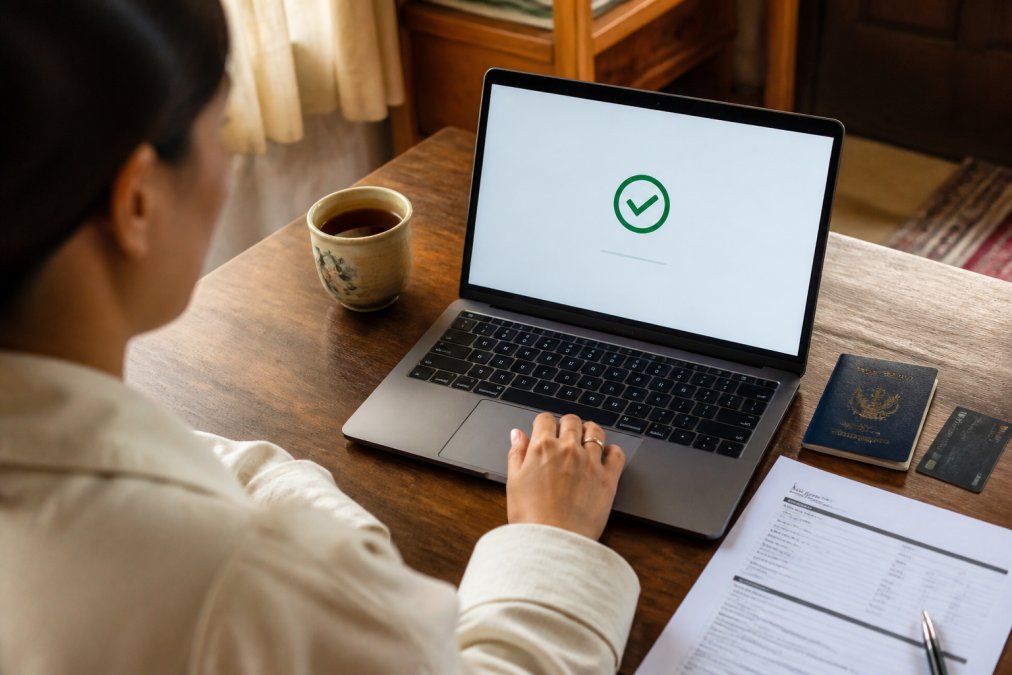
- Confirm your itinerary and total nights with your operator
- Receive your payment reference and travel authorisation details
- Log in to the official payment portal and enter your passport details
- Pay the calculated fee by international card or bank transfer
- Save the confirmation receipt and carry a printed copy
What you'll need: a valid passport, a credit card enabled for international transactions, and your confirmed itinerary dates. Expect the transaction to clear within a few business days.
Bhutan Tourist Visa Requirements and Travel Authorisation
A visa and a travel authorisation are two separate documents, and you need both. The visa grants you permission to enter; the authorisation confirms your itinerary and fee payment are in order. Most visitors secure both through a licensed local operator.
Your Bhutan tourist visa requirements include a passport valid for at least six months, a recent photograph, and confirmed travel dates. Applications are processed online, and approval typically arrives before departure. The Australian Government's Smartraveller advice for Bhutan recommends confirming entry requirements close to your travel date, since regulations can shift.
Bhutan Travel Costs 2026: What the SDF Does and Does Not Cover
The levy funds national development, not your personal trip. It does not pay for hotels, meals, transport, guide fees, or permits to specific monuments. Those sit in your operator's package price. Think of the fee as a contribution to the country, and your package as the cost of experiencing it.
SDF vs Visa Fees: Two Separate Charges
This is where most budgets go wrong. The visa fee is a one-off administrative charge. The daily levy is recurring and scales with trip length. A longer itinerary raises your SDF total while leaving the visa fee unchanged.
Refunds, Cancellations and Changes to Your Travel Itinerary
Most guides stop at 'refunds depend on when you cancel.' That is not useful when you are deciding whether to pay. Here is how the SDF refund process actually works in practice, and where the money typically goes when a trip is interrupted.
The Refund Mechanism
The SDF is paid into a government account, not held by your operator. That single fact drives everything else: your operator can request a refund on your behalf, but it cannot issue one. Refunds are processed back through the same channel the payment came from, which means a card payment returns to the card and a bank transfer returns to the originating account. Expect the government-side approval to take several weeks, with the bank settlement adding further time on top.
What Typically Qualifies
A common pattern among operators is:
- Cancellation well before travel, the fee is generally refundable in full, minus any administrative charge the operator applies for handling the paperwork.
- Cancellation close to departure, partial refunds are more common, and the threshold is set by policy rather than negotiated case by case.
- No-show or unused nights, nights not spent are generally not refunded automatically. You must request the refund; it does not flow back on its own.
- Trip interruption after entry, if you leave early, the unused nights may be claimable, but the request must be lodged through your operator with evidence of the early exit.
- Visa or authorisation refusal, where entry is refused for reasons outside your control, the levy is typically refunded, but the visa fee itself is usually not.
Changes That Affect Your Fee Total
Shortening an itinerary reduces your SDF total, but it also invalidates the travel authorisation tied to the original dates. Report any change to your operator immediately so the authorisation is reissued before you travel, arriving on a shortened itinerary with an unchanged authorisation is a common cause of delays at the point of entry.
Extending an itinerary works the other way: you owe the additional nights at the prevailing rate, and the authorisation must be updated before the extra nights are spent. The rate applied is the rate in force at the time of the top-up payment, not the rate you originally paid.
The Visa Fee Is Not Refundable on the Same Terms
This is the distinction most travellers miss. The SDF is a development levy and follows the refund logic above. The visa fee is a one-off administrative charge for processing your application, and it is generally non-refundable once the application has been assessed, even if you later cancel the trip. Budget them separately and do not assume a single cancellation request recovers both.
Where the Money Goes: Conservation, Infrastructure and Transparency
Revenue from the levy funds environmental conservation, cultural preservation, and infrastructure development across the kingdom. It supports national heritage sites, sustainable tourism programmes, and socio-economic growth in remote communities. The government publishes periodic reporting on how funds are allocated, though transparency varies by programme.
For travellers who want the logistics handled end to end, Iconic Bhutan Travels A Pristine Journey can assist with payment, authorisation, and itinerary changes.
Frequently Asked Questions
Can I pay the Bhutan SDF fee online before I travel?
Yes. The SDF is paid through the official government payment portal, usually as part of your visa or permit application. Your tour operator typically initiates the transaction on your behalf once your itinerary and passport details are confirmed. Payment is made by international credit or debit card. Keep the receipt, because you may be asked to show proof of payment at check-in or on arrival. Paying before departure avoids delays at the border and confirms your travel authorisation is active.
What is the current daily Sustainable Development Fee for international tourists?
The SDF is charged per person per night of your stay, and the rate differs depending on your nationality and age. Regional visitors from India, Bangladesh and the Maldives pay a lower daily rate than other foreign visitors. Rates are reviewed periodically by the government, so confirm the current figure with your operator or the official tourism department before you book. Children in certain age brackets qualify for reduced rates or full exemption.
Does the Sustainable Development Fee cover accommodation and meals?
No. The SDF is a government levy separate from your tour package. It does not cover hotels, meals, transport, guide fees or entry permits to monuments. Those costs sit within your operator's package price. Think of the SDF as a flat daily contribution to national development, while your package covers the actual travel experience. Budget for both so there are no surprises when your final invoice arrives.
Are children eligible for reduced Sustainable Development Fee rates?
Yes. The exemption policy gives children in younger age brackets a full waiver, and older children often pay a discounted daily rate. The exact cut-off ages and discount percentages are set by the government and can change. When you book, provide each child's date of birth and passport details so your operator can apply the correct rate. Families travelling with teenagers should confirm the current thresholds, because the discount typically ends once a child reaches a specified age.
Why does Bhutan charge a daily tourism fee?
Bhutan follows a high-value, low-volume tourism policy. The daily levy limits visitor numbers, protects fragile environments and funds infrastructure, healthcare, education and cultural preservation. It also keeps mass tourism at bay so monasteries, national heritage sites and mountain trails are not overwhelmed. The revenue supports the country's carbon-neutral status and sustainable development goals. For travellers, the fee is the price of a quieter, more authentic experience rather than a crowded one.
Is the Bhutan SDF the same as the tourist visa fee?
No, they are two separate charges. The visa fee is a one-off processing cost for your entry permit or travel authorisation. The SDF is a daily levy charged for every night you stay. Both must be paid before you travel, and both appear as distinct line items on your booking summary. Confusing the two is a common mistake, so check your invoice to see exactly what has been paid and what remains outstanding.
The real challenge with the levy is not the amount; it is the paperwork surrounding it. One missed step can stall your authorisation and derail a carefully planned trip. Iconic Bhutan Travels A Pristine Journey handles the fee payment, travel authorisation, and itinerary adjustments for you, with tailor-made cultural itineraries and private, expert-led experiences built around your dates. Get started with Iconic Bhutan Travels A Pristine Journey and travel with every regulation already sorted.