 ultimate-guide
Luxury Bhutan Travel for Seniors: A 2026 Guide
Table of Contents
- Why Bhutan Suits the Senior Traveller Seeking Luxury
- Best Time to Visit Bhutan for Seniors: Seasons of Comfort
- Designing a Bhutan Travel Itinerary for Seniors
- Altitude Sickness Prevention for Seniors
- Luxury Accommodation and Private Guided Tours
- Wellness, Culture, and Slow-Paced Immersion
- Practical Considerations: Visas, Insurance, and Medical Prep
- Conclusion
- Frequently Asked Questions
Last Updated: September 7, 2026
Why Bhutan Suits the Senior Traveller Seeking Luxury
Luxury bhutan travel for seniors is less about opulent excess and more about unhurried, meaningful access to one of the world's last great Himalayan kingdoms. The country's "High Value, Low Impact" tourism model means you get private guides, a chauffeur-driven vehicle, and a schedule built around your pace, not a group leader's whistle.
We design this kind of comfort-focused travel. The pace is the real luxury: mornings for a single, meaningful cultural site, afternoons free for a Dotsho healing bath, a meditation session, or simply watching the clouds clear over a valley from your lodge veranda. This structure removes the physical strain of adventure travel while preserving cultural immersion.
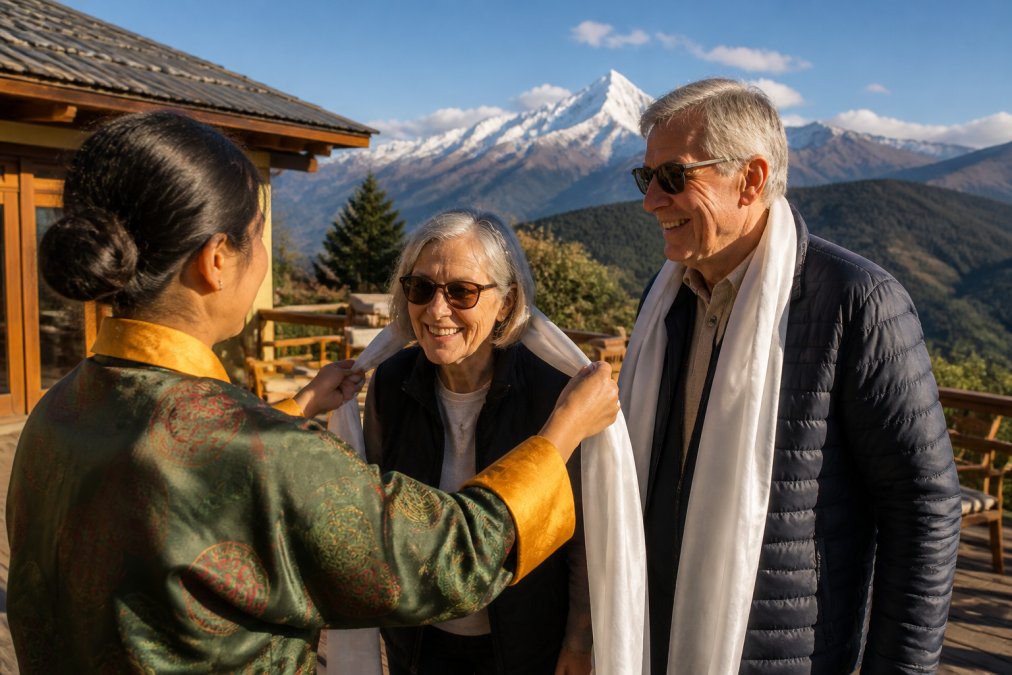
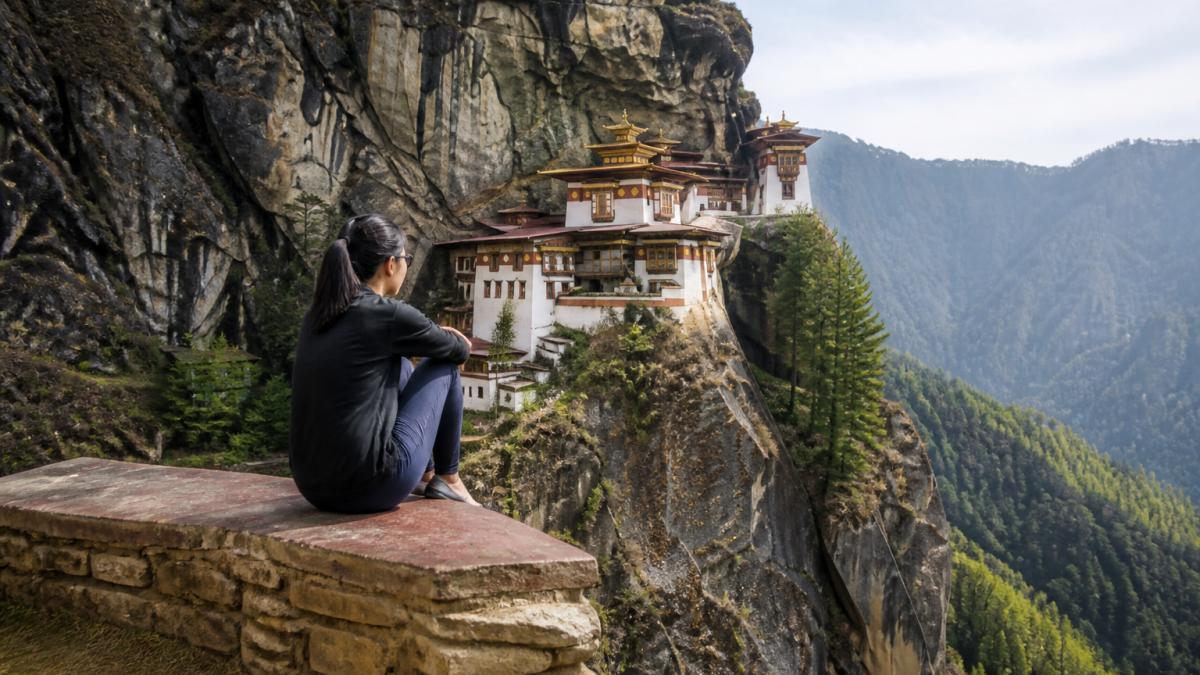
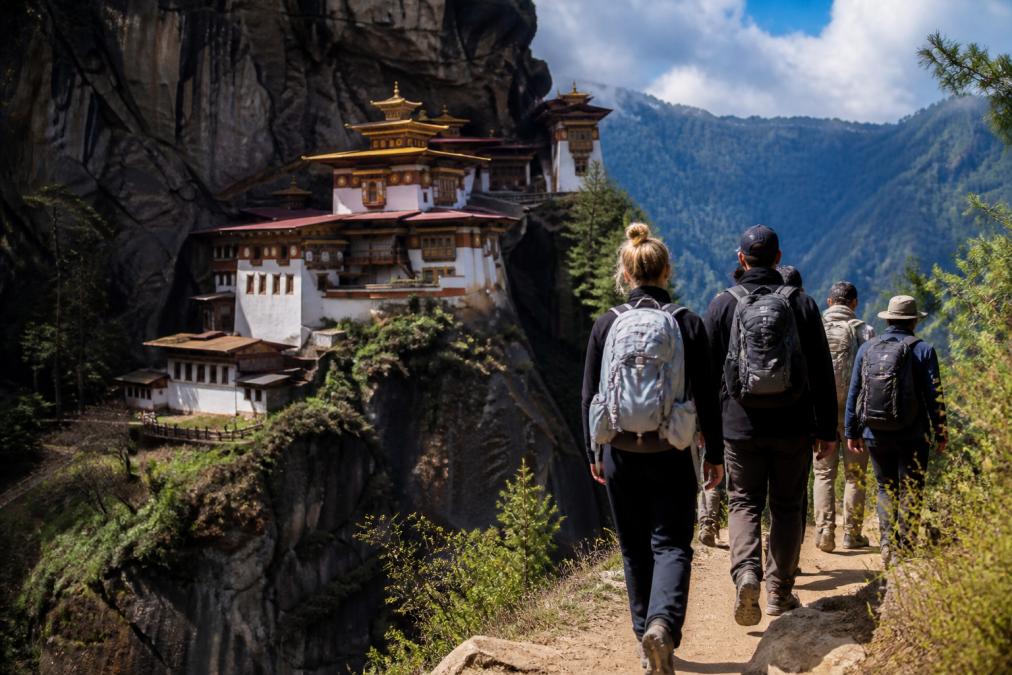
The terrain is gentle when you choose it to be. While Tiger's Nest monastery involves a notable climb, most of Bhutan's treasures sit at valley floors with minimal walking required. Bhutan's tourism policy, which mandates a licensed guide and driver, effectively creates a private guided tour for every visitor.
Best Time to Visit Bhutan for Seniors: Seasons of Comfort
The best time to visit Bhutan for seniors is during the spring months of March to May or the autumn months of September to November (lonelyplanet.com). These seasons offer the most stable weather, clear skies for mountain views, and moderate temperatures that make sightseeing comfortable rather than exhausting.
Summer brings heavy monsoon rain that can muddy trails and obscure the Himalayan vistas. Winter brings cold evenings, which can challenge those with circulation issues. Spring offers rhododendron forests in full bloom, while autumn delivers the famous festival season with its vibrant cham dances, a cultural highlight requiring no physical exertion.
For a senior traveller, the choice between spring and autumn often comes down to itinerary. Autumn festivals are spectacular, but they also bring higher visitor numbers. Spring tends to feel more serene and private, with the landscape at its most colourful.
Designing a Bhutan Travel Itinerary for Seniors
A well-paced Bhutan travel itinerary for seniors should allow a minimum of seven nights, with no more than one valley transfer every two days. The real art of itinerary design lies in matching each day's physical demand to your actual capacity; not all cultural sites are equal.
The Low-Impact vs High-Impact Site Rating
To plan a realistic schedule, think of Bhutan's landmarks on a physical exertion scale that leaves you energised, not depleted.
- Low-Impact (Minimal Walking, Flat Terrain): The National Memorial Chorten in Thimphu, the weekend Centenary Farmers Market, the Textile Museum, and the Simply Bhutan living museum all involve short, flat walks. The Punakha Dzong is accessible via a gentle, paved path across the historic cantilever bridge, with the main courtyard requiring only a few steps. The Dochula Pass (3,100m) offers 360-degree Himalayan views directly from the car park, making it a superb low-effort, high-reward stop.
- Moderate-Impact (Some Stairs or Inclines): The Tashichho Dzong in Thimphu requires navigating a few staircases, but the main courtyard is flat. The Buddha Dordenma statue involves a short, steepish drive up to the base, followed by a manageable set of steps. The Punakha suspension bridge walk is flat but long (about 160 metres), which is fine at a slow pace.
- High-Impact (Steep Climbs or Extended Stairs): The Tiger's Nest Monastery (Paro Taktsang) is the obvious example. The climb from the car park to the viewpoint is roughly 2-3 hours of steady uphill walking. The Chelela Pass trailhead offers short, high-altitude walks that can be taxing. The ruins of Drukyel Dzong also require a significant uphill walk from the road.
A sensible route using the rating system to balance exertion:
- Arrive in Paro (2 nights): Acclimatise. Day one is a gentle orientation: a low-impact visit to the National Museum (now housed in a former watchtower, it has a ramp system) and a stroll through Paro town. Day two is your high-impact option: attempt the Tiger's Nest climb early in the morning with your guide, or choose a moderate alternative like a picnic at the base of the trail with a horse ride partway up (ponies are available for the lower section, which is a viable option for many seniors).
- Transfer to Thimphu (2 nights): The drive is only 90 minutes. Focus on low-impact cultural sites: the Memorial Chorten, the School of Arts and Crafts (Zorig Chusum) to see students at work, and the weekend market if your timing aligns. The Tashichho Dzong is a moderate visit best done in the late afternoon.
- Transfer to Punakha (2 nights): This drive crosses the 3,100m Dochula Pass. Stop for photos and a hot drink at the pass, but do not linger long if you are feeling the altitude. In Punakha (1,200m, the lowest valley), you will feel a physical relief. Spend your energy on the moderate walk to the Punakha Dzong and the gentle, flat riverside walks through the rice paddies. This is the perfect place for a rest day built around your lodge's hot stone bath.
- Return to Paro (1 night): The final drive returns you over the pass. Keep the day light with a low-impact farmhouse visit or a final shopping session in Paro town before your departure.
Each valley sits at a different altitude, allowing your body to adapt naturally. The drives between valleys are winding mountain roads; a luxury vehicle with comfortable suspension and a skilled driver makes these transfers part of the experience. Request extra legroom and plan for a rest stop every 90 minutes, with your guide arranging tea breaks at farmhouses or viewpoints.
Altitude Sickness Prevention for Seniors
Altitude sickness prevention for seniors starts with respecting the acclimatisation process. Most inhabited valleys sit between 1,200 and 2,600 metres, which is manageable for most travellers. The risk increases above 3,000 metres, which many itineraries cross during valley transfers (the CDC).
The key rules are simple: ascend gradually, stay hydrated, and avoid alcohol for the first few days. Your guide should monitor your pace and recognise early symptoms. For seniors with respiratory or cardiac conditions, a consultation with your doctor before booking is essential.
Oxygen support may be available at some luxury lodges, but it is advisable to confirm this in advance. Some high-end properties may offer portable oxygen concentrators.
Luxury Accommodation and Private Guided Tours
Luxury accommodation in Bhutan has developed, with remote lodges offering high standards. These properties typically offer spacious rooms with underfloor heating, excellent cuisine, and valley views, plus traditional hot stone baths.
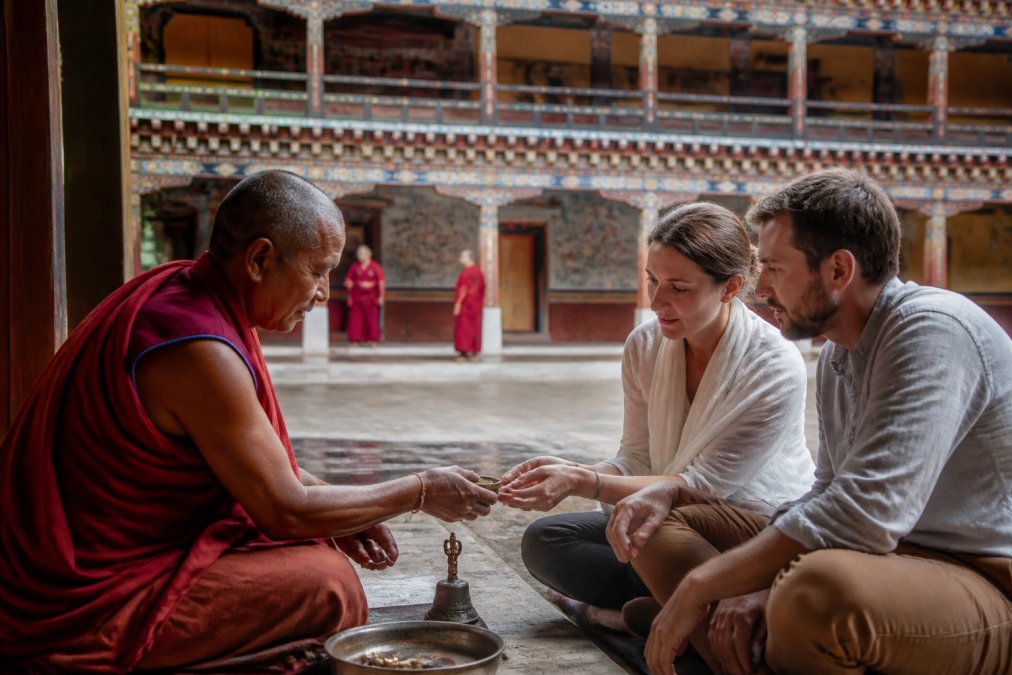
The hallmark of high-end Bhutan travel is the private guided tour. Your guide is a cultural interpreter, often a university graduate with deep knowledge of Buddhist philosophy and local history, transforming a monastery visit into a genuine conversation.
For seniors, a private tour offers flexibility: shorten a visit if tired, linger if captivated, with no schedule pressure. This is the essence of tailor-made itineraries, where the day bends to your energy levels.
Wellness, Culture, and Slow-Paced Immersion
Bhutan's identity as the Land of Happiness is a deeply held national philosophy, translating into a profoundly restorative environment. Meditation and yoga sessions, often led by monks or trained practitioners, are widely available within luxury lodges.
The tshechu festivals, with their colourful cham dances performed by masked monks, are the most accessible cultural spectacles, requiring no walking. A farmhouse visit for a traditional meal provides a window into daily Bhutanese life that feels authentic rather than staged.
Dietary accommodations are generally straightforward. Most luxury lodges cater to Western palates while showcasing Bhutanese ingredients. Vegetarian meals are the norm, and kitchens readily handle low-sodium, diabetic-friendly, or soft-texture requests, with international options always available.
Practical Considerations: Visas, Insurance, and Medical Prep
Planning a luxury Bhutan holiday involves several administrative steps that a specialist operator handles on your behalf. Every visitor requires a visa processed through a licensed tour operator, and your passport must be valid for at least six months beyond departure. A full-service operator manages the visa, the sustainable development fee, and all internal permits, which is precisely why booking through a specialist matters.
Medical Preparedness and Oxygen Support
For the senior traveller, the quiet foundation of a successful trip is your medical preparedness plan, the area where most generic guides fall short.
Altitude and Oxygen: While most inhabited valleys sit between 1,200 and 2,600 metres, your itinerary will likely cross passes above 3,000 metres. For a traveller over 70, the concern is not just acute mountain sickness but the strain on pre-existing cardiac or respiratory conditions. Before booking, have a frank conversation with your GP about your planned maximum altitude; doctors often prescribe acetazolamide (Diamox) as a preventive measure, so discuss this well in advance (PubMed).
Do not rely on lodge oxygen as your primary plan; treat it as a safety net. Ask your operator to confirm which lodges have portable oxygen concentrators (not just supplemental canisters); most top-tier properties like Amankora, Six Senses, and Zhiwa Ling have them, but confirm in writing. Your guide should carry a portable pulse oximeter; a reading below 90% is a clear signal to descend or rest.
Medical Facilities and Evacuation: Serious medical care is limited. The Jigme Dorji Wangchuck National Referral Hospital in Thimphu can handle some emergencies, but complex cases may require evacuation to other medical centres. Your insurance policy must explicitly cover helicopter evacuation from remote valleys to Paro, and then an air ambulance if required, do not assume a standard policy covers this.
Travel Insurance for the 70+ Traveller
Travel insurance for 70+ travellers requires particular attention, as many standard policies impose age limits or exclude adventure activities. Look for a policy that explicitly covers:
- Helicopter evacuation from remote areas (this is non-negotiable for Himalayan travel).
- Pre-existing medical conditions, you must declare these fully. Failure to do so can void the entire policy.
- Trip cancellation for medical reasons, which is particularly important given the long lead time and high cost of Bhutan travel.
Specialist providers for travellers over 70 often require a medical questionnaire rather than a blanket exclusion. Inform your provider of your full medical history and planned itinerary, including the highest altitude. Keep a digital copy of your policy and the 24-hour emergency number on your phone and in your wallet.
The table below summarises the key planning decisions for senior travellers:
| Planning Area | Key Consideration | Recommended Approach |
|---|---|---|
| Best Season | Spring (Mar-May) or Autumn (Sep-Nov) | Stable weather, clear skies, moderate temperatures |
| Itinerary Length | Minimum 7 nights | No more than one valley transfer every two days |
| Altitude Management | Valleys 1,200-2,600m | Ascend gradually, stay hydrated, confirm oxygen support |
| Medical Prep | Insurance for 70+ | Cover helicopter evacuation, carry medical summary |
| Dietary Needs | Vegetarian norm | Request low-sodium or soft-texture meals in advance |
Conclusion
Luxury bhutan travel for seniors succeeds when it prioritises comfort, flexibility, and genuine cultural connection over ticking off sights. The country's regulated tourism model, serene environment, and profound Buddhist culture create a rare space for slow, meaningful travel.
The challenge lies in the logistics: visas, the sustainable development fee, internal permits, and the choice of a trustworthy local partner. This is where a specialist operator earns its keep. We offer tailor-made itineraries and private guided tours, delivered with elegance and authenticity. Plan a journey that moves at your pace, not against it.
Frequently Asked Questions
Is Bhutan suitable for elderly travellers with limited mobility?
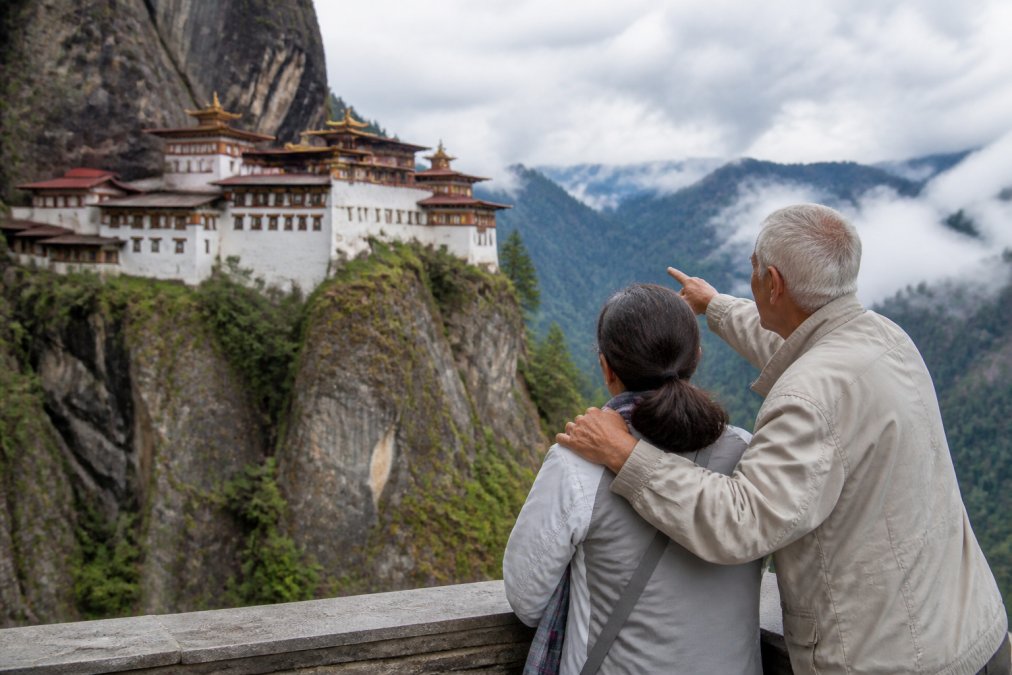
Yes, with careful planning. A private tour allows you to set the pace and skip strenuous activities. Many cultural sites, such as monasteries in the Paro and Thimphu valleys, are accessible by car with short walks. For Tiger's Nest, you can enjoy the view from a designated viewpoint rather than hiking the full trail. Discuss your mobility level with your travel designer to tailor the itinerary and arrange private transfers with drivers who assist at every stop.
What is the best time of year for seniors to visit Bhutan for optimal comfort?
The best time to visit Bhutan for seniors is during the spring months of March to May or the autumn months of September to November. During these seasons, daytime temperatures are pleasant, skies are clear, and the risk of rain is low, which makes sightseeing and travel between valleys more comfortable. These periods also feature major festivals, adding cultural value. Winter can be cold, especially at higher elevations, while summer brings heavy monsoon rains.
How do private luxury tours cater to the specific needs of senior travellers?
Private luxury tours offer flexible scheduling, allowing you to start days later and rest when needed. They provide private vehicles with experienced drivers for scenic, comfortable transport between sites. A dedicated local guide offers personalised attention and can adjust the pace on the spot. Luxury lodges are selected for ground-floor rooms, easy accessibility, and high standards of service. All logistics, from visa processing to luggage handling, are managed for you.
Are there health and altitude considerations for seniors visiting Bhutan?
Most accommodation and popular valleys sit below 2,600 metres, so altitude sickness is rarely a serious concern. However, if your itinerary includes higher passes or the Tiger's Nest trail, proper acclimatisation is essential. Spend your first two nights at a lower altitude, stay well hydrated, and avoid strenuous activity on day one. Consult your doctor before travel about medications. Comprehensive travel insurance that covers medical evacuation is essential for travellers over 70.